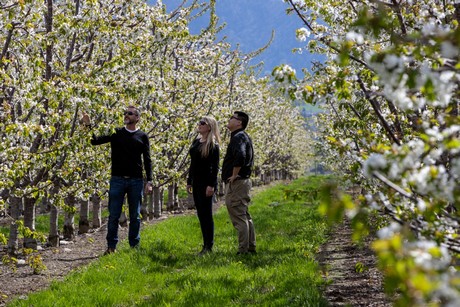
Cherry trees in full bloom in Canada

The Canadian cherry growing regions have reported that full blossom has occurred. It all started in South Okanagan on April 24th before moving up to North Okanagan on May 1st, followed by Creston Valley on May 5th. According to Global Fruit, conditions for the bloom have been ideal, although the season is expected to start a little later this year.


“Based on the first round blossom estimates, we expect 700,000 of the 800,000 20lb equivalent cases to fall in August and we plan to continue shipping until mid-September,” the company said in a release. “We are excited to be late and look forward to Labour Day Canadian Cherry promotions. Weather for pollination and cell division has been wonderful and the coming week looks terrific as well. Tentative pick dates are predicted to begin June 23rd and finish September 1st.”

The company grows and markets cherries in both the Okanagan and Creston Valley regions in British Columbia, adding they are proud to focus on smaller scale orchards. “Our orchards are small, intimate affairs ranging in size from 4 to over 250 acres,” said Global Fruit’s Andre Bailey. “We live amongst our trees and work hands-on in all aspects of the operation, and our grower’s quality shows in every box.”


According to Global Fruit, Canadian cherries are prized for their characteristics, including what it says is high Brix as well as the lengthy season. “Canadian Cherries boast some of the highest Brix (sugar) content on the planet,” Bailey shared. “Our warm days and cool nights extend our growing season and produce amazing size and firmness. Our water is pure, crystal clear and abundant. Most of our Cherry varieties were developed in Canada specifically for our climate.”


For further information contact your IPG Sales Representative:

Telephone: +1 831.754.9740

Sales Fax: +1 831.754.9750


Handful of Washington apple varieties still available

Washington apple growers are carefully controlling their storage crop to avoid any gaps in apple supplies before the new crop begins in August.

“Lately more sheds have been opening controlled atmosphere (CA) rooms. And they have Red Delicious, Granny Smiths, Royal Galas and Golden Delicious available,” says Gerald Castro of Ag Grower Sales LLC in Wenatchee, WA. “There’s even still some Honeycrisps, Fujis and Pink Ladies available. It just depends on when sheds want to open their CA rooms.”

This means sheds are selectively making varieties available throughout the week. “So one of the sheds will run Red Delicious today and tomorrow and then Honeycrisp the next day and Golden Delicious after that,” says Castro, who adds that New York and Michigan states are also still shipping apples. He does note that some sheds are already done and working on cleaning up their remaining apple inventory.


Retail-friendly sizes
In terms of sizing, it’s largely retail-sizing available on apples, so between 64-88 count apples.


Meanwhile demand looks steady, as it does for apples year round, though as the school season ends or slows down (in the case of year-round schools), institutional program demand will lighten up.


All of this means pricing is high. “Especially on smaller apples,” says Castro. “It’s a little bit higher than last year at this time.” He notes that Granny Smiths and Golden Delicious are going for more than $30/box while Honeycrisps are anywhere between $60-$100.


Looking ahead, Castro continues to see more CA rooms opening up to go through the remaining storage crop. “They’re making sure that they don’t sell everything out so that they don’t have product for the rest of the summer,” he says. “They’re trying to spread it out till new crop starts.”


For further information contact your IPG Sales Representative:

Telephone: +1 831.754.9740

Sales Fax: +1 831.754.9750

May 1 apple holdings have changed a lot over the past five years

The U.S. Apple Association says the May 1 fresh apple holdings are down 13% over 2018, but there’s a richer story to be told in varietal shifts over the past five years.

Most people know I’m a nerd for apple reports. I pore over ad trends and storage reports like I’m reading a good novel.

Honeycrisp and Red Delicious are two apples that everyone loves to watch, and their rise and fall are readily apparent in the latest apple report.

Don’t get me wrong, the slice of the storage apple pie that Red Delicious takes up is still significant. In 2019, Red Delicious was still 31% of fresh apple holdings, though it’s down -17% over the past five years.

Honeycrisp, however, is about 7% of fresh apple holdings, up 181% over the past five years.

Other varieties that saw significant jumps and drops?

Braeburn is down -37% over the past five years, and Golden Delicious is down -53%. I don’t put too much stock in “Rome Sport” as it makes up such a small part of stocks, but it’s down -91%.

Jonathan apples are up 126% over the past 5 years, and Pink Lady is up 38%.

Slow and steady gala is posting a solid 25% gain in fresh apple holdings, as well.

And we’ve got to talk about what’s happening with Ambrosia for a minute here. This is the first year US Apple has reported Ambrosia volumes recorded on May 1, with 425,000 boxes reported, which puts it ahead of varieties like Braeburn, Cortland, Rome, Empire and more.

The 800 pound gorilla in the room, however, is the vast category of club varieties like Envy, Jazz, Kiku, Kanzi, Autumn Glory, Pacific Rose, Ruby Frost, Opal, Snapdragon…the list goes on…that we don’t see in these reports. We all know many of them are more of a year-round deal nowadays.

I even got a shipment of Sweet Cheeks – a Cripps Pink/Honeycrisp cross – sent to me from friends at Hess Bros. Fruit Co., Lancaster, PA. I wasn’t aware this variety made it much past Christmas and here it is May already and I’ve got a dozen in my fridge.

Here’s an interactive look at what the apple holdings “pies” look like over the past five years. Scroll over to see the storage numbers pop up.

By Blue Book Services

California farms face continuing labor shortages

California growers continue to face labor shortages, according to a new survey.

Conducted by the California Farm Bureau Federation in collaboration with the University of California-Davis, the survey of 1,071 farmers and ranchers reported 56% of farmers who responded had been unable to hire all the employees they needed at some point during the previous five years, according to a news release.

The survey reported that for those farmers reporting employee shortages, at least 70% said they had more trouble hiring employees in 2017 and 2018.

“The survey shows farmers have tried and are trying all the tactics available to them, such as increased wages, changes in farming and cropping patterns, use of the existing H-2A visa program and automation where appropriate,” California Farm Bureau Federation president Jamie Johansson said in the release. “The missing element is an improved agricultural immigration system, to match willing employees with farm employers.”

Wages higher

The survey found 86% of farmers who completed the survey said they had raised wages in efforts to hire enough people, with 61% reporting they had hired a farm labor contractor to recruit employees, according to the release.

Mechanization of farm labor was also a trend, according to the release. The survey said more than half of farmers reported they have started using mechanization. Of those, the release said 56% said the use of mechanization was because of employee shortages.

Other findings:

37% of farmers said they had adjusted cultivation practices to ease labor shortages;

31% said they are switching acreage to less labor-intensive crops;

More farmers are using the H-2A agricultural visa program; but only about 6% of surveyed farmers said they had enrolled in it.

“Through the years, the H-2A program has proven inadequate for farms in California and throughout the nation,” Johansson said in the release. “Farm Bureau will continue to work with Congress to create a secure, flexible, market-based immigration program that works better for both farmers and farm employees.”

The release said the 2019 results are similar to a California Farm Bureau survey in 2017, which revealed 55% of farmers said they had labor shortages.

The full survey report is available on the CFBF website.

By The Packer

Soft citrus season is slow out of the starting blocks


Early soft citrus volumes are coming in slower than last year because of weather factors, particularly in the north of the country, but the delay is not regarded as concerning at this stage.


By the end of week 16, 400,000 15kg-equivalent cartons had been shipped, which is 700,000 cartons lower than the same time last year.


A lot of rain in parts of the north has meant that growers have had to keep a careful eye on acid levels, which could drop and hamper export volumes.


In the Senwes area (Groblersdal/Marble Hall) one farm had 116mm of rain during April this year, compared to just 18mm in April last year. Meanwhile, the Tzaneen Dam is still at the level of 18%, a cause of concern for the citrus growers of Letsitele.


There are reports of burst Satsumas in the north of the country but the phenomenon is not expected to have a marked effect on export volumes because of Satsuma volumes coming from the Western and Eastern Cape.


In fact, one industry expert points out, a slight reduction in soft citrus numbers could be seen as a blessing in disguise, given the muscular growth in soft citrus from South Africa, projected to total 18.3 million 15kg-equivalent cartons, a 13% increase this year over last.


In an area like Hoedspruit in Limpopo, where soft citrus volumes are expected to more than double this year (from a low base), many mango orchards have been replaced with mandarin orchards.


by Fresh Plaza

Blueberry harvest starts slowly in US as volumes recover


Blueberry farmers hope to capture some of the early-season market when less supply lifts prices are slowed by cooler weather, which has delayed harvest.


Though they expect to market more volume in the coming weeks, with good-quality fruit, growers and marketers say larger crops in other states and offshore have also pressured the market this year.
Harvest is about seven to 10 days behind schedule, said Todd Sanders, executive director of the California Blueberry Commission, but he noted that could change quickly with warmer temperatures arriving this week.


He estimated the crop will be 25% to 30% larger than last year, which saw production drop by 20% to 30% due to frost damage. The bigger crop this year is also related to more acreage in production and more high-density plantings, he noted. California blueberry acreage stood at 8,755 in 2018, an increase of nearly 33 percent from 2017, according to the commission.


Describing the harvested crop so far as “good size, good flavor and good quality,” Sanders added, “it’s looking to be a pretty decent year.”
San Diego County grower Bill Steed, whose crop is about three weeks behind schedule, said cooler temperatures, which allow the berries to ripen at a slower pace, should lend more flavor complexities to the fruit as it sizes. After last year’s late freeze wiped out more than 80% of his crop, he said he expects a “normal, good year” this season.


With plenty of fruit on the market coming from Georgia, Florida and Mexico, Jerry Connery, who markets blueberries for California Giant Berry Farms in Watsonville, said there’s been no supply gap this time of year, which typically boosts market prices. When California hits peak season by mid-May, Georgia blueberries should be waning by then, and that could improve market conditions, he said.
“But I personally doubt it,” he added. “I think it’s a bumper crop. I think it’s an excellent time for retailers to promote. Blueberries will be promotable all summer long.”


Unlike other packers and marketers that sell blueberries year-round with imported fruit, Heidi Devine, purchase manager for Devine Organics, a grower-shipper-packer in Fresno, said the company tries to hit the early-season market, which is the most lucrative. But with “quite a bit of volume” still coming out of Mexico and with California harvest “moving a lot slower than usual,” she said she has not been able to take full advantage of that marketing window this year.


Historically, market prices for blueberries in March and early April have been “fantastic,” said Gunnar Avinelis, CEO of Agricare, which manages blueberry farms in California from Kern County to Fresno County, and in Oregon. He started harvest on his covered berries about two weeks ago. With Mexico staying in the market longer, prices have not been as good as in the past, he said. This year, in particular, we’re starting to see the impact of Mexico’s increasing volume in their later varieties,” he added.


Whereas Mexico used to be finished by the time California enters the market, its late-season varieties are now overlapping with the Golden State’s early season, lowering market prices by a sum Avinelis described as “pretty significant.”


Not only is Mexico shipping more volume, he said, but its varieties have gotten better. It’s a trend he said he’s observed in other South American producers as well, noting that Peru and Chile also have become bigger players in recent years.


By Fresh Plaza

Organic fruit sales are sweet

From grapes to grapefruit, sales of organic fruit are on the rise, and suppliers anticipate ample volume of good-quality product for the late spring and summer months.

At Wenatchee, Wash.-based Stemilt Growers Inc., marketing director Roger Pepperl said the company’s apricot crop now is 100% organic.

However, the start date this year will be a bit later than usual, with most of the crop coming on in July rather than late June.

Stemilt’s peach and nectarine crop, which also is all organic, grew by about 10% this year, he said.

“We have been organic for years now, but the growth will allow us to have more nectarines during a time where the balance of peaches to nectarines was a little out of line,” he said.

Stemilt’s organic apple crop is winding down, but the company should have fruit available into the summer.

“We have had unbelievable sales on our Lil Snapper organic apple and pear program,” Pepperl said.

Stemilt plans to kick off its organic cherry program in mid-May.

“Again, Stemilt will have a dominant position on both organic dark sweet and organic rainier cherries,” Pepperl said.

Chelan Fresh Marketing, Chelan, Wash., will ship organic gala and granny smith apples until about June 1, organic fuji apples until June 15 and organic Pink Lady apples until May 15, said Kevin Stennes, organic sales manager.

“Fruit size is pretty typical for the respective varieties,” he said.

Quality and condition are good, he added.

“Fruit is storing quite well this season and coming out of storage with good eating qualities.”

Viva Tierra Organic Inc., Sedro-Woolley, Wash., will have a full line of imported pears from Argentina from the end of April through June, said Addie Pobst, organic integrity and logistics coordinator.

The line will include anjou, bosc and autumn bartlett as well as specialty varieties like golden russet bosc, Alexander Lucas (often called Alex Lucas) and abate fetel.

The company should have gala, granny smith, fuji and red delicious apples in May with more varieties coming in as the season progresses in Chile and Argentina.

Viva Tierra will have California pears and apples in late July before sourcing from Washington, she said.

San Diego-based Organics Unlimited Inc., which grows and distributes organic cavendish bananas from Mexico and Ecuador, is in peak production, Mayra Velazquez de León, president and CEO, said in mid-April. That peak should continue into September.

“Things are even better than expected from the production side of things,” she said.

“Banana quality is superior, and we haven’t experienced any major problems with weather or crop diseases.”

Organic bananas have been gaining in popularity, she added.

“Organics Unlimited is well prepared to handle an increase in consumer demand for organic bananas by supplying the freshest, sustainable, organic bananas while giving back to the communities we serve,” she said.

Demand for organic citrus also has increased throughout the U.S., said Gahl Crane, sales director for Temecula, Calif.-based Eco Farms. 

During the summer, the company will have valencia oranges, lemons, grapefruit and other local California citrus like golden nugget mandarins.

The season, which will continue for a few months, should be a good one, he said, with good quality and sizing.

Valencias should continue through August, and the company has a grapefruit variety that comes on in September, he said.

Eco Farms will have organic avocados from California until September, then will source from Mexico, which ships avocados year-round, and Peru.

“We need multiple sources (for avocados) to keep up with demand,” he said, “especially in the summertime.”

On the berries side, Naturipe Berry Growers, Salinas, Calif., plans to kick off its organic blackberries in mid-June and continue the program through the summer, said Craig Moriyama, director of berry operations.

The company was shipping organic strawberries out of Salinas/Watsonville in early April.

Organic blueberries as well as conventional blueberries will be ramping up in May from Delano, Calif.-based Munger Farms, which, like Naturipe Berry Growers, is a partner in Naturipe Farms LLC, the Estero, Fla.-based sales and marketing operation.

Turning to table grapes, Bob Bianco, co-owner of Anthony Vineyards, Bakersfield, Calif., said about 70% of the fruit his company ships is organic, and that figure seems to be increasing every year.

The company has about 20 organic varieties, including high-flavor grapes like Ivory and Krissy. 

By Tom Burfield

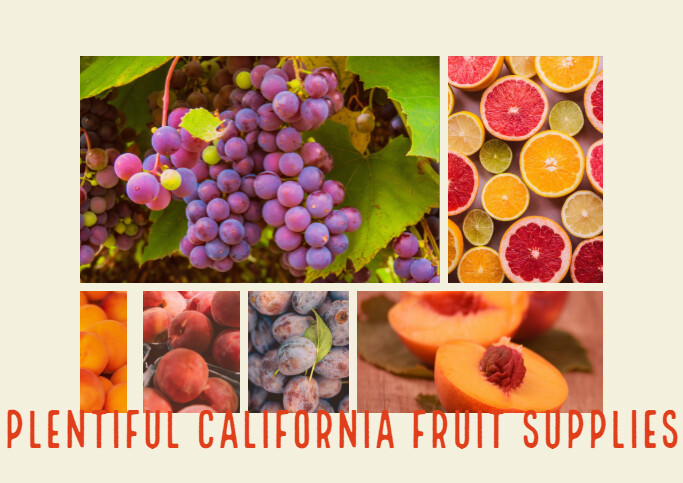
California fruit suppliers anticipate plenty for summer

California summer fruit suppliers are anticipating a brisk May-August season in 2019, with plenty of supplies to fill orders. That is, once it gets going.

Grapes

“I think the biggest challenge is that the crop timing looks a little later than last year,” said John Harley, sales manager with Bakersfield, Calif.-based grape grower-shipper Anthony Vineyards. 

Quality will not be an issue, though, he said. “The quality looks to be much better (than in 2018),” he said. Harley said he expected to start around May 10 and run through the end of June.

There should be plenty of fruit to promote, which would be roughly the same as in 2018, Harley said.

Citrus

Various issues complicated California’s citrus early this year, but things had begun to settle by early April, said Joel Nelsen, president of Exeter-based California Citrus Mutual.

“This season has been anything but stellar for the citrus producer unless you were exclusive to lemons,” he said. 
He said the summer is shaping up to be a good one.

“The size structure is better, although large sizes will remain a premium in price for both navels and mandarins,” he said. 

The industry will have “good-quality fruit” through the Fourth of July for oranges, Nelsen said, noting that mandarin varieties will wind down in May and lemons will be strong into the summer, pending offshore product at lower prices arriving. 

Santa Paula, Calif.-based citrus grower-shipper Limoneira Co. anticipates the total crop to be down 10% to 15%, compared to 2018, said John Chamberlain, director of marketing.

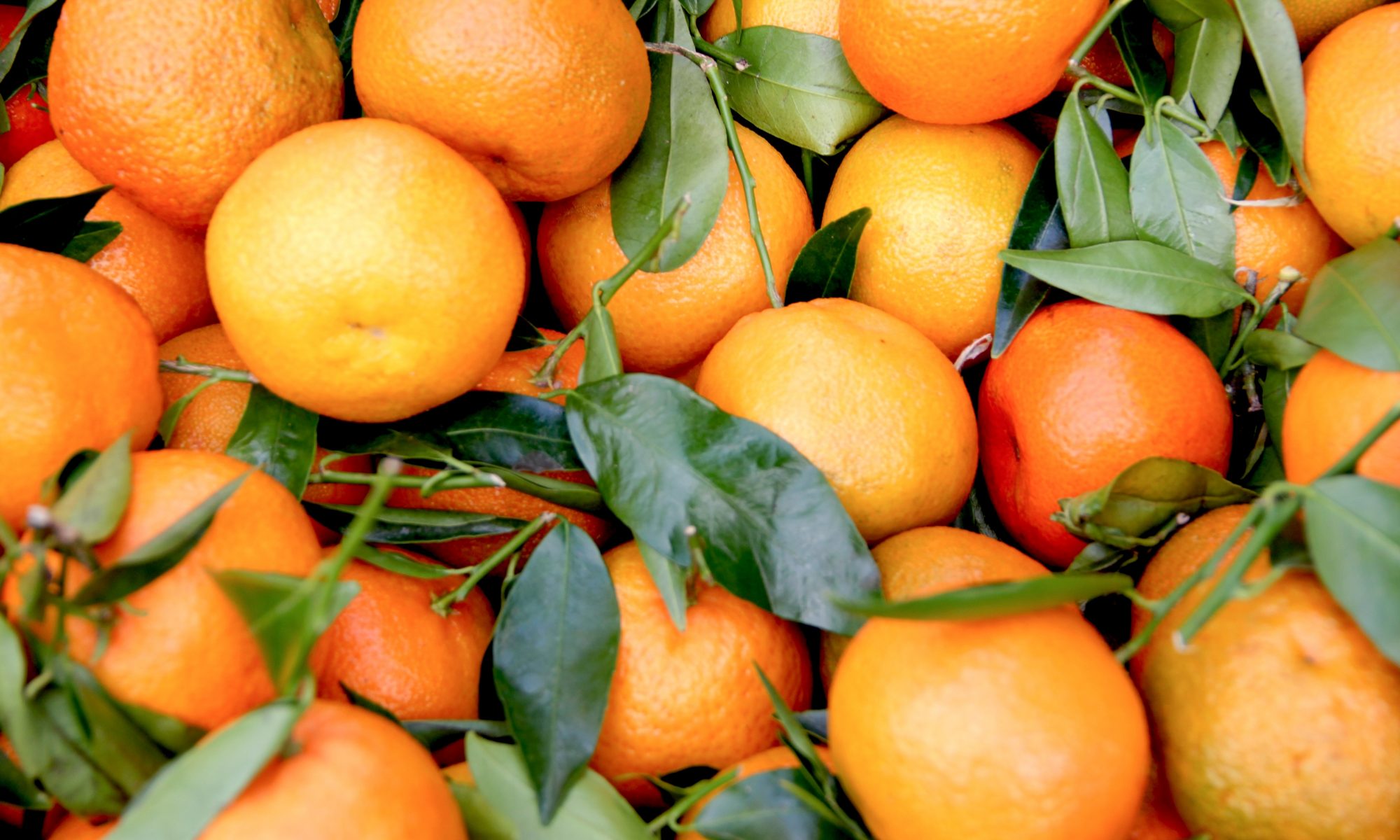
Fresno-based Trinity Fruit Sales Co. Inc. is seeing “one of the biggest mandarin crops we’ve ever had,” said Levon Ganajian, retail relations director.

“Normally, we go through April, but this year, I think we’re going through May.”

Stone Fruit

Trinity Fruit anticipated a May 5 start for stone fruit.

“I think we’re going to have one of the biggest crops we’ve ever had,” Ganajian said. 

Fowler, Calif.-based stone fruit grower-shipper Simonian Fruit Co. said its plums, apricots, peaches and nectarines were running a bit late, but it was looking good.

“The crop looks good,” sales manager Jeff Simonian said, although he added that it was still too early to provide a detailed forecast.

Hanford, Calif.-based The Flavor Tree Fruit Co. LLC is getting ready for its Verry Cherry plum — a high-brix fruit cross between various cherry and plum varieties, said Maurice Cameron, president.

Flavor Tree expects to begin harvesting Verry Cherry around the third week of June, with the deal going into August, Cameron said.

Volume this year is projected to grow by more than 100% over a year ago, Cameron said.

By Jim Offner

California peach harvest underway

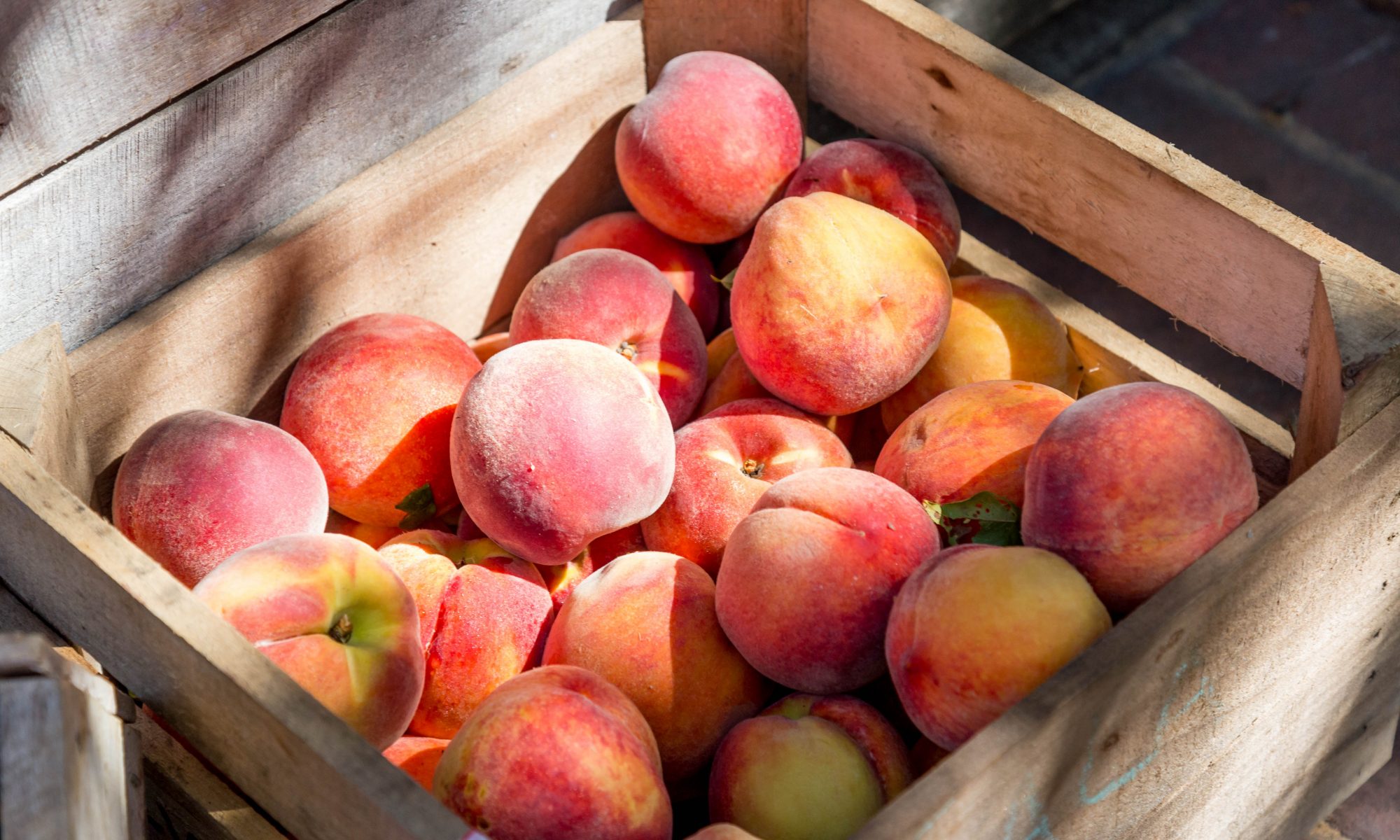
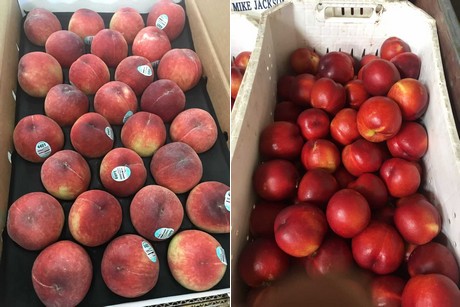
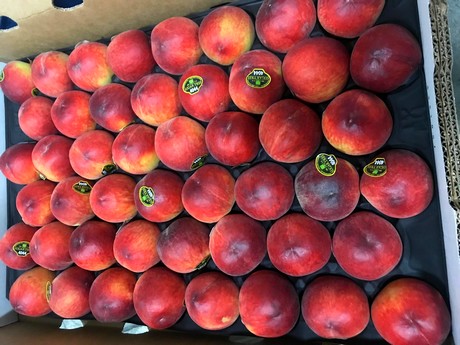
The first peaches of the California stone fruit season have been picked this week in Kings County. Kingsburg Orchards’ Chad Allred said the season began a little later this year, adding that the first fruit off the trees included white and yellow peaches along with yellow nectarines.

“Harvesting began on Tuesday,” he announced. “Kingsburg Orchards is always one of the first to get going for the season. The first fruits were picked in the Kettleman region which enjoys a slightly warmer micro-climate. As a result, they are usually about five to seven days ahead of the main Central Valley growing region. We began with white and yellow peaches along with yellow nectarines. About five days behind will be apricots, closely followed by the white nectarines.”

“Kind” winter produced good bloom and crop
Growers are anticipating a good crop of stone fruit this year in California thanks to favorable winter growing conditions. The heavy rain earlier in the year was welcomed by stone fruit growers who can now finally enjoy ample water reserves, of which they have had limited access to since drought conditions took hold almost a decade ago.

“The winter has been kind to stone fruit growers with a good amount of rain and plenty of chill hours,” Allred noted. “As a result, the trees enjoyed a good sleep and a very good bloom. Once the bloom was over, we experienced a cooler patch of weather which was the cause of the slight delay in harvest, but overall conditions have been favorable for a good crop. This week we expect to see temperatures in the high 80s and low-mid 90s, which will be very good for the fruit. So far what we have seen being harvested has been beautiful – fruit with full color and a nice sugar content, along with good sizing considering the time of year.”

Allred provided a rundown of how the various stone fruit crops are expected to perform this season. “This weekend and into next week, we should start to see some more substantial volume. Overall, the crop is anticipated to be very good this year across the board. Peaches and nectarines should see average to slightly above average volume. At this stage, we are seeing a very full crop of apricots, along with good sizing. It can’t be described as being overloaded, but there are some real opportunities for promotions for retailers. For plums, predictions are for a light to medium crop depending on the time of year and variety. Overall, everything has lined up well for this season’s stone fruits.”

“Good eating fruit is our goal”
According to Allred, Kingsburg Orchards are always in the process of researching and developing new varieties. He explained the company’s research program involves natural methods such as cross-pollination, followed by trials and subsequent implementation should the results be positive. Some of the varieties that the company has been working on in the past four to five years are expected to enter production this year.

“Our focus has been to develop better eating peaches, nectarines, plums and other stone fruit and to do so using natural mechanisms,” he shared. “We research and trial the varieties until we come up with ones we are really happy with and as a result, are excited by their potential. Consumers like the specialty varieties, however they always gravitate back to peaches, nectarines and plums. Therefore, our goal is to produce a good eating fruit which will get people to come back to it regardless of the fruit’s size or how it looks. There are fewer growers of stone fruit in California now and the industry keeps changing. It’s that focus on flavor and quality that will keep consumers happy in the long run.”

by Fresh Plaza

OVERVIEW GLOBAL GARLIC MARKET

There is currently a surplus of garlic on the world market. In Spain, the harvest has been good for a few years in a row, and a new one will start in May. In China, the price of garlic has risen against everyone’s expectations as a result of price speculation. The high price of garlic persists and that doesn’t make Chinese garlic attractive for export.

The European market is mainly awaiting the new harvest from China and Spain. The market in Germany is currently stable. Meanwhile, North America is having to deal with low garlic prices, as there are too many suppliers on the market. In South Africa, measures have been taken against Chinese imports by levying additional import duties on this product. This follows an investigation into the illegal import of garlic from China to South Africa.

China: High price due to speculation, but little market demand
A lot has happened on the Chinese garlic market in the last few weeks. After the Chinese New Year in February, most people expected the garlic price to fall, but it actually went up. This went against everyone’s expectations, and the high price also persisted. The reason for this was that many people have been speculating with garlic prices. In May, the new Yunnan garlic is hitting the market and many people think the price will be high, because this year the fields have been reduced by around 10% and the supply will therefore be smaller. Other garlic production areas in Shandong will supply new garlic to the market in June and July.

A lot of garlic has consequently been bought in the last few weeks, so the price has risen. Now it is falling slightly, but still remains high. The quality of the garlic in cold storage is not always that good anymore; good quality garlic is therefore much more expensive. About 30% of last year’s production still has to be sold. The demand for garlic is currently not high, not even for export, mostly because the price is so high that Chinese garlic has become less attractive.

Spain
Within a few weeks, the new garlic season will be starting in the Spanish region of Andalusia. The acreage in this southern Spanish region has been reduced by 15 to 20% due to the poor prices of the last two seasons. The last season in particular was really bad, with a price drop of 30% compared to a year earlier.

In the meantime, the last stocks from Castile-La Mancha have almost run out. The season has been challenging due to the heavy rainfall recorded in May 2018, which caused damage to purple spring garlic and, to a lesser extent, to white spring garlic in La Mancha. This had an impact on quality, bringing prices sharply down and motivating growers to switch to purple garlic, whose price has been between € 0.30 and € 0.40 higher than that of white garlic. As a result, the market was again forced to reduce the price of purple garlic, given the increase in the supply.

The Netherlands: Opacity of garlic market
The current garlic market in the Netherlands is said to be opaque by importers. The market in Europe is pretty good, but the Chinese want to push prices up while large stocks of the previous season’s harvest are still available. The new Chinese harvest is expected within three weeks, and therefore, everyone’s trying to predict what the market will do. The growth prospects are good, although it was previously announced that the garlic harvest will be about 30% smaller than last season’s. Sales are normal, according to importers. The high prices, oscillating between 19 and 22 Euro, do ensure that the trade is in the hands of the regular importers, and that occasional importers are staying away from the Chinese garlic.

Germany: Stable market
The German garlic market is currently largely stable. The bulk of the goods come from China: Importers say that the Spanish varieties are hardly accepted by the often conservative consumer. There is a good demand for the standard white garlic all year round, especially in the retail. Attempts to introduce, for example, black garlic on the market have had little success as yet. The availability of the product is also adequate at this time. Only in the summer (June / July) do the volumes fall somewhat.

In Germany, but also in Switzerland, partly due to climate change, garlic is being grown on a larger scale. The harvest generally starts here around late May / early June. Frozen products and processed garlic also have a presence on the market; this segment, however, is significantly smaller in terms of demand when compared to the fresh market. Organic garlic also remains a rare product.

Italy: Waiting for a new harvest
The demand for garlic is currently not very high. “There is hardly any demand because people are waiting for the new harvest. The price for Chinese garlic is fairly stable. The price for garlic from Spain is moderate. In Spain, they are also currently waiting for the new harvest, which will start in early May. The Chinese market is currently in a speculative phase. Prices here are not in proportion to the market reality in Europe, North America, and Latin America,” said a trader.

There is currently new garlic from Egypt and Mexico on the market. “Fresh green garlic remains a niche product with limited sales, because it is linked to the spring season.”

With regard to specialties, such as black and wild garlic, the trader sees them as relevant in the market, but only because of the novelty. “The possibility of them becoming mass products has been ruled out; however, we do see that some consumers are curious about them and appreciate these products.”

South Africa: Surplus brings price of local production down
The South African garlic market is highly dependent on imports, especially from Spain and China. The imported garlic is currently more expensive than the local product. The price of the imported garlic ranges between 45 ZAR (€ 2.80) and 55 ZAR (€ 3.40) per kilo. For its part, locally grown garlic costs between 30 ZAR (€ 1.86) and 35 ZAR (€ 2.10) per kilo.

The price for local garlic is under heavy pressure. According to the growers, this is because there is too much garlic on the global market, mainly due to the good Spanish harvest. The South African garlic harvest has passed its peak and will be again in full swing in the spring.

Last year, there was an investigation in South Africa into the smuggling of garlic from China. Three new importers were caught. Imports upset the South African market and that is why the government has taken measures. Extra rates are set on garlic from China on top of the normal import duties. It is also said that people sometimes pay up to 80 ZAR (€ 5) for Chinese garlic.

North America: Large supply pushes prices down
At the moment, a lot of garlic is imported into the US market and that keeps pushing prices down. “There is a huge amount of Chinese and Spanish garlic available at the moment,” says Juan Pablo Lozano, of Garland LLC, in Miami. “Spain has had a good harvest; they have had good returns for the last five years and I think they are going after China in terms of production.” He adds that the Spanish production is also expanding from fresh garlic to, for example, peeled garlic.

In the meantime, China has also increased its exports to the United States. Lozano suspects that the increase in imports has to do with future anti-dumping measures by the federal government. “There are just too many players on the market right now,” Lozano says.

“The demand for garlic is currently good, but there is also oversupply at the moment. That is causing garlic prices to drop,” says Lozano.

The conditions of the garlic market in the United States were significantly better last year. Prices have almost halved. “Market prices fell in the beginning, then they rose a little, and now they are falling sharply again.”

If the prices for garlic don’t fall further, Lozano predicts that they will remain stable. “At the end of May and in early June, garlic arrives again from Spain and Mexico, and China also resumes its production. All while there are still stocks from the previous year.”

Latin America: Small stocks
Spain is in danger of losing the Brazilian market due to a proposed 19% import tax on garlic from Europe. The South American market is important for Spain and this tax would make it difficult to compete with Chinese garlic imports; however, the price of Chinese garlic is currently rising quickly, which is good news for Spanish exporters.

The Argentinian garlic market is currently packing its products for export. Peru, normally a producer that exports garlic all year round, currently has small stocks.

by Fresh Plaza

Later start, good quality from Kern County crops

Growers in California’s Kern County say their vegetable and fruit crops typically are starting a week or so later than usual this spring, but ample rainfall and plenty of chill hours during the winter should result in abundant supplies and very good quality this spring.


Here’s a look at some of the county’s major commodities.

Grapes

Table grapes are the No. 1 item grown in Kern County, according to the Kern County agricultural commissioner. This year’s grape crop should be exceptional.


“Everything looks beautiful right now,” Bob Bianco, co-owner of Bakersfield, Calif.-based Anthony Vineyards, said in late March.


Edison, Calif.-based Kirschenman Enterprises Inc. expects to kick off its table grape program at the end of June and continue into November or December from the Bakersfield and Kingsburg areas, said Wayde Kirschenman, owner and president.


The company offers about 12 varieties of conventional and organic grapes.

Potatoes

The potato industry has undergone a change in Kern County


In 1980, there were 30,000 acres of potatoes in the county, said Dennis Johnston, partner at Johnston Farms in Edison, Calif.
Today, that figure is down to about 4,000 acres of conventionally grown, fresh market product, he said.


“There’s a substantial market for reds, whites and golds, so we concentrate our business on that,” he said.


The organic potato season for Bakersfield, Calif.-based Cal-Organic Farms, a division of Grimmway Farms, officially began in mid-April, said Chris Rhodes, fresh sales category manager.


The new-crop potato season starts with California-grown red and gold potatoes, he said.


Bakersfield-based TD Produce Sales handles conventional potato sales for Edison-based Big L Packers, said owner Tom Drulias.


The company grows white, red, yellow, purple and fingerling potatoes.

Bell Peppers

Johnston said he was planting green bell peppers in late March and planned to start packing June 1.


The early varieties always have thick walls and a dark green color and boast good quality, he said.


Johnston Farm’s volume should be similar to last year’s 150,000 boxes.

Carrots

Kern Ridge Growers LLC, Arvin, Calif., harvests and packs carrots year-round, said Chris Smotherman, account manager.


The company wrapped up its early Kern County program in March and moved to California’s Imperial Valley in late March and will stay there until June, he said.


Carrots will continue to be packed in Kern County. “So far they look pretty good,” Smotherman said in late March. The program will return to Kern County in early June.

Melons

Danny Andrews, owner of Dan Andrews Farms LLC in Bakersfield, said he was planting honeydews, cantaloupes and watermelons as well as two new melon varieties — hami and orange-flesh honeydews — in late March for harvest from mid-June to mid-July.


He expected Kern County melon acreage to be down slightly this season following “a bad marketing year” in 2018 resulting from overlapping supplies from Fresno County.


Kirschenman Enterprises will have seedless and mini seedless conventional and organic watermelons from June 15 until Aug. 15, Kirschenman said.

Tree fruit

Kirschenman Enterprises should have early peaches and nectarines from Bakersfield from the third week of April until the end of May, which is the typical window, Kirschenman said.


“It’s a little bit of a niche,” he said, since the main tree fruit crop comes from growers in Fresno County and won’t start until summer.


by The Packer

Salinas volume lighter due to rain

Crops of spring vegetables and berries are emerging after the winter’s rainy and chilly conditions, and growers are expecting California’s Salinas Valley to explode with activity in the next weeks.


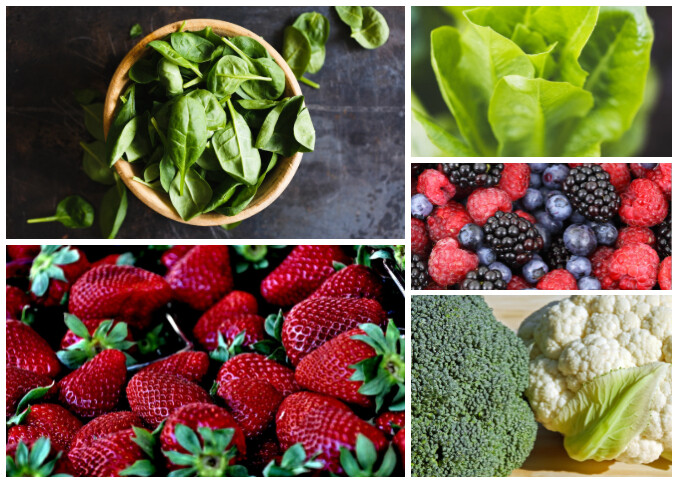
Coastline Family Farms in Salinas, Calif., is finishing up spring vegetables such as broccoli and cauliflower, lettuces and some herbs that winter in Brawley, Calif., said salesman Mark McBride. He anticipates harvesting on the Central Coast to start in the next 10 days.


“Overall, by the 15th (of April), we anticipate being 100% ready to rock here in Salinas,” he said. “It’s a very hectic time.”


Volumes, however, will probably be down slightly because the fields were planted before the rains started, he added, causing “pretty erratic conditions.”


“Head size and yield, possibly in lettuce, (we expect) to drop after the first couple of weeks,” McBride said, similar to what others will likely experience.


But “we anticipate having enough to take care of our contracts and best customers 100%. But we definitely do not anticipate having a lot of extra product over the next couple of weeks,” he said.


Broccoli and cauliflower harvesting are underway, McBride said, and will pick up speed beginning April 8. Cauliflower continues to have an elevated market, but he expects “a lot of more affordable prices from the market standpoint and better volume” down the line.


For Salad Savoy Corp., Salinas, rain put a five-day gap between December’s scheduled planting times and when crops actually got into the fields, said CEO Seth Karm. The company grows kale, chard and cauliflower in Yuma, Ariz., over the winter and in Soledad, Calif., in the spring.


But the rain also benefits crops, he added. “Rain this year definitely has been pumping the soil full of nitrogen, so things are growing better than expected,” Karm said.

“We’re seeing some warmer weather, so if we get an errant blast of 90-degree weather, it’s going to really put us into high gear up here.” Most popular with customers so far this year are Salad Savoy’s Tuscan kale and its orange, purple and green cauliflower.


“We’ve been moving the heck out of that cauliflower to date,” Karm said. “It’s springtime — everyone’s looking for color. We generally see a nice bump from March to May every year.”

Small-scale organic vegetable and strawberry grower Hall’s Organic Farms, which grows on 13 acres in Salinas, is harvesting rainbow, purple and orange carrots, gold and red beets, cilantro, parsley, rainbow chard, kale, radishes and strawberries, said owner Stevie Hall.


The company began planting in mid-January and February. “It’s coming on a little bit better; we’ve had a nice amount of rain, but not all at once,” Hall said. “The strawberries are looking really good, as there’s been lots of rain early.” Hall expects to have strawberries through to November, he said.

Berries

Salinas-based Naturipe Berry Growers continues to grow primarily strawberries on 1,300 acres in Salinas, as well as elsewhere in the state and in Mexico, said Craig Moriyama, director of berry operations.


While an additional 100 acres are set aside for organic strawberries, most production is conventional. March was a bust month for harvesting, he said, because of the rain. But now that it’s slowed, activity is back on course this month. “The early deal was rained out,” Moriyama said.


“Now we’re on schedule. We already started up a week ago (March 29), and it’s just going to ramp up through Mother’s Day, and then we’ll have a good summer deal.”
Quantities will probably not quite match last year, he added, when numerous days of low temperatures energized the plants and caused high production across several strawberry districts all at once, causing excessive supplies.


Production will be closer this season to typical production, Moriyama said, which is 8,000 to 10,000 trays an acre. The company expects plentiful supplies going forward.


“It’s going to be good opportunity for spring through summer for strawberries,” he said. “If retailers can do that, then the crop will move successfully.”


Brassicas grown in Yuma, Az., for Salinas-based Mann Packing Co., now owned by Coral Gables, Fla.-based Fresh Del Monte Produce, are rebounding after the winter’s atypical rain volume, said Loree Dowse, director of creative marketing. The lettuces are smaller than usual, she added.


However, all other produce is “looking good,” Dowse said. Mann packs a wide range of vegetables including broccoli, Broccolini, sugar snap peas, butternut squash and Brussels sprouts.


by The Packer

San Joaquin Valley cherry farmers expect record harvest

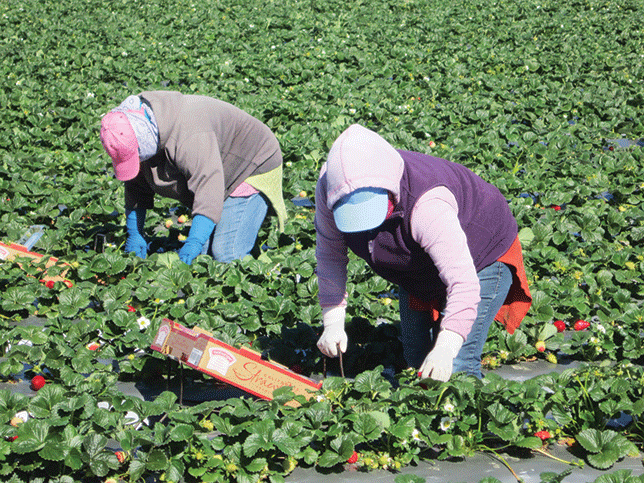
If the weather continues to cooperate until harvest, next month, it could be a record year for San Joaquin Valley Cherry Farmers. However, farmers are concerned there may not be enough labor to get the cherries off the trees when harvest time does come around.
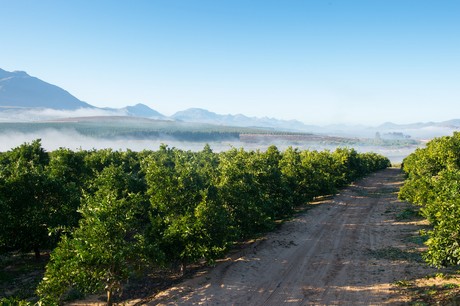
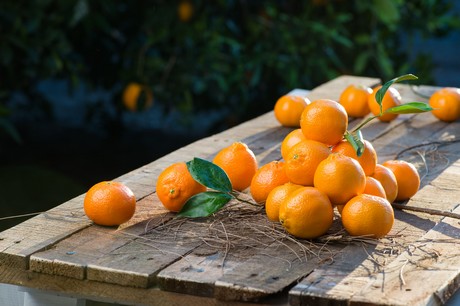
 

For cherry farmers like Jeff Ferrari, all eyes are on the weather after two seasons of unfavorable conditions. The trees are healthy, producing an unusual amount of fruit on the branches. With three more weeks to go until harvest, farmers are concerned there may not be enough workers to pick the fruit.


It’s ironic, they say because pickers stand to make quite a bit of cash when there is this much fruit. Ferrari said they’re looking at maybe double minimum wage. For now, farmers say it’s still early and they remain optimistic. “I’ve talked with people and they’re confident it will be attractive for pickers to make money,” Ferrari said.


According to sacramento.cbslocal.com, growers expect to harvest 60% of the total crop in May and the rest in the first two weeks of June.


by Fresh Plaza

Almost time for South African citrus exports to resume

The South African citrus season is just around the corner and Summer Citrus from South Africa is preparing for the first shipments which are due to begin at the end of May. South African fruit is likely to become available in the US from early to mid-June. In terms of citrus varieties, easy peelers will be the first available, followed closely by Navel oranges.


“Summer Citrus from South Africa will be arriving in early to mid-June, perfect timing as the domestic season comes to a close,” noted Suhanra Conradie, CEO of Summer Citrus from South Africa. Easy peelers will be available end of May and early June. Navels will follow starting towards the end of June and we anticipate healthy supply through the end of the season. Cara Cara oranges, while in short supply, will be available throughout the summer months. Star Ruby is a later summer fruit and should start to arrive by the end of June and will last through the end of September.”


More focus on marketing efforts this year
This year’s focus will be to fuel greater demand for citrus during the summer months. Summer Citrus from South Africa said it is currently looking to retailers and work with them to help promote South African citrus. Conradie also noted that there will be good promotable volumes.


“Summer Citrus from South Africa, including Navels to easy-peelers, will be broadly available and can be procured from any one of our valued importers,” she said. “Our Association’s importers are ready to work with retailers on stronger marketing activations to help elevate demand and sales for South African fruit throughout the season.”


Celebrating 20 years at Viva Fresh
This year, Summer Citrus from South Africa is celebrating 20 years of providing fresh citrus to the U.S. market. The celebrations will be a focal point at this week’s Viva Fresh Expo in San Antonio. A champagne toast will be held at the company’s booth to mark the occasion.


“Showing and expressing our gratitude to 20 years of successful collaboration and support of the fresh produce industry is our main objective in attending and supporting Viva Fresh,” Conradie shared. “We are happy to sponsor Friday’s Keynote Luncheon and invite everyone to our booth on Saturday at 2:30 pm at the Expo prior to happy hour for a champagne toast.”


She added that the show is also an excellent opportunity to connect with attendees and discuss the upcoming South African citrus program. “Viva Fresh provides the industry with a great opportunity to network and discuss the busy summer sales season in culture-rich San Antonio while coming together under one roof during the conference and expo. The show provides our association and our importers with an excellent place to show our support for the industry and meet face to face with our customers.”


by Fresh Plaza

Strawberry volume in Santa Maria increasing as Oxnard declines

California strawberry production continues its northerly track as Oxnard begins to see a decline in volume. At the same time, fields in Santa Maria are coming online with overall production increasing day by day. This means that California strawberry supplies are set to remain steady. However, suppliers say that fruit quality is declining out of Oxnard as the last of the season’s fruit is harvested.


“After several weeks of strong production in Oxnard, California, overall pack-outs will begin to fall sharply now through the end of the month,” noted Ira Greenstein of Direct Source Marketing. “Quality and condition has begun to decline with only about half of the fruit being packed able to meet retail specifications. With Oxnard production decreasing and Santa Maria rising, we expect to see overall pack-outs remain fairly level, hovering between 1.1-1.3 million flats per day.”


Meanwhile Santa Maria also had some recent weather issues that put a strain on fruit quality, but that has since been resolved. “About 10 days ago, Santa Maria saw a spike in temperatures and heavy winds that caused significant bruising,” Greenstein explained. “Growers and shippers have completed cleaning and stripping the fields and expectations are for excellent quality fruit to start the week.”


Freezer market looking appealing for Oxnard shippers
Looking ahead, the market is expected to remain steady at this stage, as volume and demand seem well-balanced. Suppliers suggest that the fruit quality issues in Oxnard are providing an incentive to shippers to send their fruit to processers rather than distribute to the fresh market, especially to the East Coast.


“Although there will still be shipments coming from Oxnard this week, retailers will look to transition to northern supplies quickly,” Greenstein said. “Currently, freezer pricing is fairly good, which could entice many Oxnard growers to go for the safe option instead of sending questionable quality fruit across the country.”


As the month progresses, Watsonville is slowly starting up which will see fresh new crop strawberries enter the market just as Oxnard completely finishes. Prices are looking steady with the only factor being whether or not Oxnard growers do indeed send their fruit to the freezer market.


“Watsonville fields are just now starting to produce, but it could be another two to three weeks before we see any meaningful volume from the region,” Greenstein observed. “Expectations are to see pricing ranging from consignment-$8 on Oxnard fruit and $8-$10 on Santa Maria and Watsonville supplies. Overall pricing could adjust lower if growers in Oxnard choose not to send fruit to the freezer and flood the market with weaker fruit.”


by Fresh Plaza

California LGMA approves stricter water treatment rules

Members of the California Leafy Greens Marketing Agreement have adopted new rules requiring them to sanitize “open source” used water for overhead irrigation following recent E. coli outbreaks that led investigators to suspect water as a cause.

The new rules, which passed in an April 19 vote, cover 99% of the leafy greens grown in California, according the California LGMA.

The LGMA will be scheduling workshops and seminars for growers and buyers to educate them on the changes, according to a blog post on the group’s website.

Through the new rules, growers will consider the source of water and how it’s delivered to crops. The focus is open source water, which includes groundwater and water from irrigation canals and reservoirs. Two recent E. coli outbreaks traced to romaine (a third was linked to “leafy greens) focused on open source water.

Following a spring 2018 outbreak, investigators found the same E. coli strain in irrigation canal water that passed by a large cattle feedlot on its way to Yuma, Ariz., fields. After a November 2018 outbreak, investigators found E. coli in sediment in an irrigation reservoir on a Santa Barbara County, Calif., farm.

The new steps in the California LGMA requires growers to:

– Review their water system, sources and storage (canal/reservoir/well/municipal supply) and irrigation method (furrow/sprinkler/drip);

– Conduct water testing — prepare a baseline assessment, check and test water system, and routinely monitor sources and systems; and

– Treat water if necessary — Surface water for overhead irrigation 21 days before harvest must be sanitized.

– The 21-day rule stems from studies showing it is a conservative time period to allow bacteria on crops to die, according to the California LGMA.

The leafy greens group, in collaboration with Western Growers, has worked with industry, growers and the academic community to establish more stringent requirements for water use, according to the LGMA’s blog.

“We are very aware of the tragic impacts a foodborne illness can have on consumers, our customers and our entire industry,” according to the blog. “We are all passionately committed to producing the safest leafy greens possible.  The LGMA will continue to make changes to as needed to strengthen the food safety requirements for leafy greens.”

by Chris Koger

Rollercoaster ride expected for cauliflower

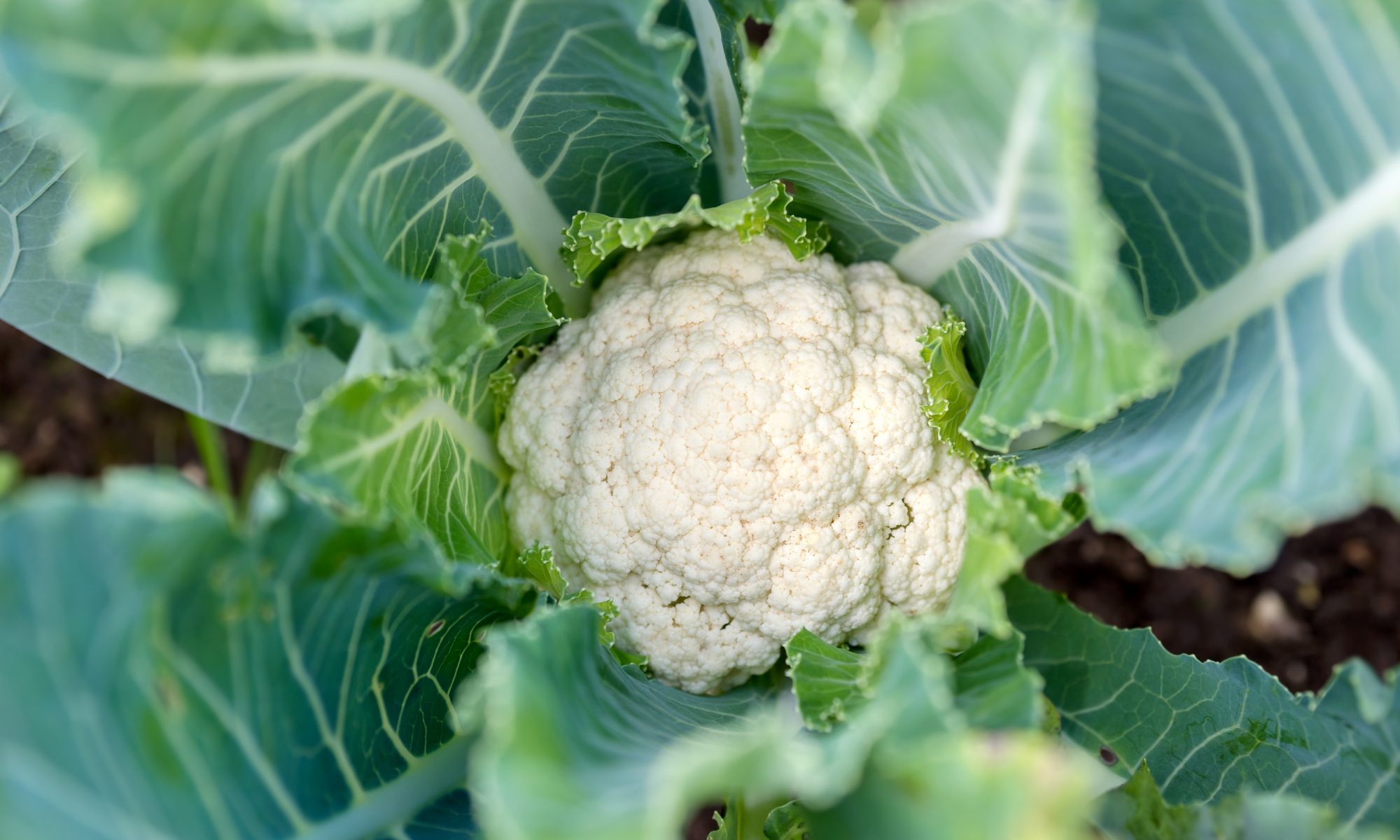
Cauliflower supplies coming from California are moderate right now.


“The supplies are coming from Santa Maria and the Salinas districts,” says Bob R. Cordova of The VegBoss LLC in Orcutt, Ca. He adds that overall, cauliflower supplies are lower this year. “We all anticipated some pretty severe gaps and I think we have them in front of us,” says Cordova. “We went six to 10 days … on a few occasions, we just couldn’t get plants in the ground.”


He also adds that less cauliflower was planted in the desert region and that the colder winter temperatures slowed the cauliflower growth down. This, in part, led to the market spike seen a few months back. “[Cauliflower was at] $40 FOB a few months ago. It was pretty incredible,” says Cordova.


California’s cauliflower scene 
California dominates the cauliflower market right now given that Mexico brings in only a little bit of the vegetable and is inconsistent with its supplies; and it’s too early for other regions, such as Florida, Maine or Montreal, to be producing.


Meanwhile, overall demand continues to grow for cauliflower. “[Demand has been] on the rise … the past five years and very strong in the past two years because of things like cauliflower rice, crumbles, crusts,” says Cordova. “It’s finding its way into a lot of uses and I think it’s only going to increase.”


Looking ahead, Cordova predicts a “rollercoaster ride” for cauliflower. “What we’re harvesting this week probably wasn’t supposed to come off until next week. You get a little bit of a cold spell that slows things down and then a gap,” he says. “We anticipated some extreme peaks and valleys and we haven’t seen them all yet. I think a few are ahead of us all the way into June. We just have to see if the weather closes [the gaps] or not.”


By Fresh Plaza

OVERVIEW GLOBAL MANGO MARKET

The Peruvian mango season is almost over and the European market is switching to African imports. The first mangoes from South Africa and Cote d’Ivoire are already on the market. While the Italian acreage continues to expand, growth in Spain is being curbed by the bad campaign in 2018. Business is going well in the US. More Mexican mangoes arrive every week and the demand is so high that the fruit can be sold immediately. Australian traders are happy with the results achieved this past season, with a large harvest and high demand.


Germany: South Africa replaces Peru
The German wholesale market is currently in a transitional phase. Peru is slowly disappearing while South Africa takes over the market. “There’s a particularly low supply of the smaller sizes,” says a trader. Since these are the most popular ones, there has naturally been an impact on prices. The ready-to-eat mangoes shipped by air freight currently cost between 39 and 45 Euro per 6 kg package, while the average price is normally around 30 Euro.


Both Peru and South Africa market basically the same varieties (mainly Kent). Peru dominates in terms of quality, especially when it comes to the mangoes shipped by air. South Africa, for its part, is better known for its mangoes shipped by sea. These reach prices of between 7 and 10 Euro per box. In general, Peru is more popular with German wholesalers and the demand is expected to fall rapidly after the Easter holidays. At that time, the growing supply of stone fruit normally happens at the expense of the demand for exotic species.


The Netherlands: Good start for African mangoes after smooth end of Peru
Dutch importers kicked off the African mango season with the arrival of the first mangoes from Cote d’Ivoire. The season kicks off with the green Amelie mango, followed by the Kent variety. The former is expected on the market at the end of week 17. The conditions in the mango market are very good compared to last year, as Peru is almost completely off the market. The quality of the current Kent leaves something to be desired. Traditionally, the Ivorian mango season lasts for five to six weeks, after which other West African countries take over.


Belgium: Record high prices
The latest batches of tree-ripened, air-shipped mangoes of the Dolce variety have arrived from Peru and prices have reached record high levels. Prices are also very high for tree-ripened Kent mangoes from Peru. Within the next ten days, the Peruvian shipments by air will stop. After this, the market makes the switch to Kent mangoes from Cote d’Ivoire. Ready-to-eat mangoes are hard to find on the market and are currently being sold at high prices. The demand for ready-to-eat Santana mangoes is high, but the quantities supplied are far too small to meet the demand.


Italy: Consumption and production are increasing
While the demand for mangoes still stood at 4,800 tons in 2012, in 2016 it increased to 9,000 tonnes. The demand is particularly high in the second half of the year, with a peak in December. More and more mangoes are being grown in Sicily. The most popular varieties here are the Kensington Pride, Kent, Maya, Glenn and Keitt. The Sicilian growers are doing good business. “The demand exceeds the supply,” one of them says. “Since our mangoes don’t need long to reach the Italian and European markets, their quality is hardly affected by the time they reach the consumer.” The good results are encouraging an expansion of the acreage. The demand for ready-to-eat mangoes is also on the rise, and Sicilian growers are trying to meet it.


France: Nice weather reduces the demand
France is also receiving the last mango shipments from Peru. A trader tells us that there are many quality problems. Large sizes are traded for € 6.50 – € 7.00 per box. The smaller sizes are sold for around € 7.50 per box. “The volume of air-shipped mangoes has been reduced over the past week,” says the trader. “This has caused prices to reach very high levels.” The air-shipped mangoes are of average quality. The trader stresses that this is not an easy period for the mango market. “The nice weather is almost there, so consumers are becoming more attracted by strawberries and raspberries.” The first shipment of Ivorian mangoes arriving by air and sea will hit the market next week. This year, Cote d’Ivore’s harvest is 20-30% lower than last year, as a lot of fruit fell early from the trees due to the impact of heavy rainfall.


Spain: Growers have had a bad season
The Spanish mango season came to a close in November. The total harvest amounted to 34,000 tons, 30% more than in 2017. A trader says that it has been a difficult season. “The European market was unable to absorb the many Spanish mangoes. There was a surplus of small sizes and there were just as many Brazilian mangoes on the market as in previous years. At the same time, there were a lot of apples, pears, grapes and summer fruits on the market. ”Heavy rainfall during the harvest period took a toll on the quality. As a result, prices fell considerably. Due to the poor results of the past season, the expansion of the acreage has slowed down. The Spanish mango season only lasts a short time, and it is not easy to sell the large harvest within such a short period.


At the moment, Spanish traders are importing mainly Brazilian mangoes of the Palmer variety. Now that the Peruvian season is ending, the prices are high. Not very many mangoes are imported.


US: Mexican volumes are increasing
As Mexican cultivation shifts from one area to another, the volumes are increasing every week. “We started in mid-January with three to five loads a week, and this number increased in early February,” says a Texas trader. “We now have about six to seven loads coming in every day, and this figure is expected to increase even more in the coming week.” At the moment, Mexico is mostly supplying smaller sizes. For the larger sizes, the volumes are smaller.


The increase in the supply is accompanied by a growing demand. “As the weather improves, the demand also grows,” says the trader. “We are able to sell everything we get almost immediately. We accumulate no stocks. Supermarkets in particular continue to demand more. ”The prices for larger sizes amount to around $ 8- $ 9 / FOB. The smaller sizes are sold for $ 5- $ 6. When the season started in January, the price for the large sizes was still $ 12.


Australia: Large harvest sold well
The Australian mango season ended in March. The production reached 10 million trays, making it the second largest harvest ever. The Australian Mango Industry Association (AMIA) reports that the quality was exceptionally good. Taste tests yielded good results for all varieties in all growing areas. The weather conditions did create some challenges. Some growers harvested fewer mangoes than expected, which made their season shorter. The Honey Gold, Calypso and R2E2 varieties are very popular in the market. According to the AMIA, the growth achieved in recent years has mainly been recorded by these three varieties, but traditional varieties, such as the Kensington Pride, are also doing well. The supply and the demand are increasing proportionally for all varieties.


It has also been a good year for exports. The AMIA is committed to opening up new markets. Marketing campaigns were organized in partnership with exporters, importers and retailers in Singapore, Hong Kong, South Korea, New Zealand and the US. A research program took place in the Middle East.


China: High demand and limited supply
The mango season is in full swing in China. The main production areas in China are Hainan, Guangxi, Yunnan, Sichuan and Taiwan. Next month, the mangoes from Taiwan will hit the market. There is currently a strong demand and a limited supply, so prices are high. Mangoes are also imported from other countries, such as Cambodia, Vietnam and India.


By FreshPlaza

Santa Maria expects big strawberry crop

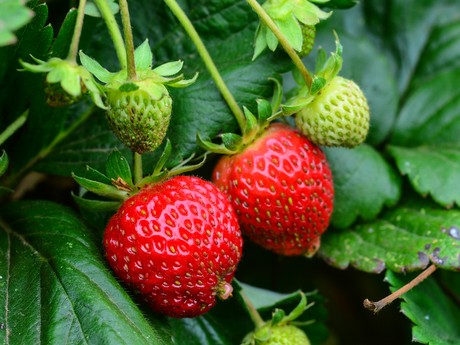
Strawberry growers in the Golden State, including in its No. 2 growing region of Santa Maria, have been producing greater volumes with higher-yield varieties, and this year could be a banner year.


“With normal weather, weekly shipment volume from April 15 to Oct. 31 is likely to equal or exceed the three-year average,” the Watsonville-based California Strawberry Commission said on its website. Strawberry volumes reached record numbers for the past three years in total, according to the commission, and increased 6%.


It’s the result of a trend in which growers are growing more but with less acreage, according to the commission, by increasing acres of higher-yielding varieties. The commission said acreage statewide is down 12% in the three-year time frame.


“(Planting higher-yielding volumes) helps to preserve resources; you don’t need as much land, and you don’t need as much water,“ said Carolyn O’Donnell, communications director for the commission.


“You can consolidate all your operations onto a smaller footprint.” While the cost of land is always a concern, O’Donnell said labor costs are the majority of a strawberry grower’s operation, and can also be a motivator to plant for greater volume.


“If you’ve got higher-yield varieties, there’s more fruit to pick, and generally the workforce that’s doing the harvesting likes to work in fields where plants are healthy and there’s an abundance of fruit to pick,” she said.


Two of the three top-yielding varieties in production yield studies conducted in Watsonville by the University of California, Davis, include the monterey variety, producing 10,554 cartons per acre, and the san andreas variety, which yielded 10,414 cartons per acre. O’Donnell said the commission has noticed those varieties as well as some proprietary ones from growers.


“We’re seeing more fruit per acre from when these fruits are planted,” she said. A newer variety, the cabrillo, was reported as producing 11,605 cartons per acre in recent tests. Those higher-producing varieties can work against the industry under certain conditions.


Last year, freezing weather in February delayed fruit harvests until California’s three strawberry districts came online with fruit, including those high-yield varieties, close in time with each other. That was around May 11, when production hit nearly 10 million trays and exceeded the three-year average of just over 8 million trays.


Annual production jumped 9% to nearly 225 million trays, but the f.o.b. price per tray was only $9.10, the lowest since 2006, according to the commission, which uses U.S. Department of Agriculture data.


“Strawberries supplies are very price sensitive — so when you have a very high supply, it pushes the price down,” O’Donnell said.


This year, she said weather has put statewide production behind last year at this time, and growers expect some losses. As of March 23, harvests were at about 7.2 million trays — significantly behind the nearly 11.9 million trays harvested at the same time last year.


In Santa Maria, about 637,000 crates of berries have been produced compared to more than 2.4 million crates a year ago. Timing, however, is on track with normal years, she said.


Santa Maria

In 2018, Santa Maria’s strawberries accounted for more than 33% of the state’s total production — about 70.4 million crates, according to the commission.


Last fall, growers planted 8,583 acres for the current winter, spring and summer season, down from 11,744 acres in 2018.


Tom Jones, president of Providence Farms in Santa Maria, a mostly organic strawberry producer on 260 acres, which grows and ships through California Giant Berry Farms, said the strawberry volume on its way could be an issue this year, but it depends on fruit amounts and timing.


“When we all come together at the same time like last year, that will be a challenge,” Jones said. Yields have increased for Providence Farms, he said, as the UC Davis program has emphasized developing higher producing varieties.


“When I started in this business 35 years ago, if you had around 6,000 trays an acre, you were doing really good,” Jones said.  “Now, you’d better be up around 8,500/9,000 trays an acre. And these varieties are definitely doing that.”


By Carol Lawrence

Weather is about the only thing holding berries back

No matter the region or type of berry—strawberry, blueberry, raspberry, or blackberry—industry players are thrilled with high demand but face a few common challenges. Some are shared with growers of other commodities, and a few are unique to the berry sector.

Weather, of course, is always a challenge. Jack Cain, vice president of sales and marketing for Always Fresh Farms in Winter Haven, FL, keeps his eyes on forecasts in a variety of places, from Chile to California to Florida. The company is a year-round supplier of blackberries, strawberries, and raspberries.

“You can have the best genetics, but you’re always going to have weather—if it’s too hot or too cold, it can affect the plant positively or negatively,” said Cain, citing recent examples like hail in Chile, colder than normal temperatures in California, and extremely warm weather in Florida.

If weather is too warm, strawberries will grow more leaves than fruit, and if temperatures fall, there are a host of adverse impacts, including pollination.

“We’ve had pollination problems,” Cain said. “Bees are affected by cold weather, and there’s a declining population of bees.”

This is an excerpt from the most recent Produce Blueprints quarterly journal.

by Produce Blueprints

close
Loading…