
Overview Global Berry Market

The demand for raspberries and blackberries has risen sharply in Europe and North America in recent years. In the West, raspberries are seen as a luxury product. In China, that is not the case, and the prices, although still higher than those of other berries, are low. There is hardly any demand for raspberries in China, with goji berries being especially popular among consumers. The current stock of raspberries, blackberries and berries on the market is declining. The supply from the current producers is falling and other countries are still starting up. The warm weather has taken a toll in many regions and has caused shortages; however, the demand remains high and as a result, prices are rising. Due to the demand and the smooth sale of raspberries, blackberries and berries, the international trade is gaining ground as a complement to the domestic productions.

The Netherlands: Unpredictability is an asset on the soft fruit market
The heat recorded in late July has left its mark on the Dutch soft fruit market. “The availability, quality and prices of raspberries and blackberries have been fluctuating enormously in the Netherlands and Belgium due to the strongly changing weather. It is therefore really difficult to get a grip on the market,” says a fruit trader. The market is very unpredictable. Raspberries can actually withstand the heat pretty well, but there has hardly been any production during the extreme heat. Subsequently, the supply arrives in huge volumes, and prices can therefore fall again in no time from 10 to 5 Euro per kilo. We have gone through a long period of shortages; now there are too many again, but that may just change again next week. The same applies to blackberries. They recently reached 30 Euro; now they have dropped below the 10 Euro. The Dutch red berries are stored in chambers, so everything that is taken out must be sold taking those extra costs into account. That’s been working out fine for now. In fact, the demand from Germany has increased rather quickly, as the heat has caused a lot of damage there. Normally we don’t see such a high demand until November or December, so that gives us good prospects for the season.”

Belgium: Fluctuations in the supply, correct prices on the market
After months with a sufficient supply, a small shortage has been recorded this week, but larger volumes are expected within three weeks. This means that Belgian products can be supplied until around late November. A peak in the supply is expected at the end of September / beginning of October. Prices are currently at the right level due to the good demand from Belgium and France.

Red berries have had a very good growing season, but have suffered a lot of damage at the end of July due to the heat. This year there are fewer red berries in ULO storage. Prices have taken a while to reach acceptable levels, but are currently pretty good.

Blackberries are the most difficult to manage at the moment, according to a Belgian trader. A lot of blackberries have been planted in Europe and the situation became a bit difficult at the end of May. There is currently some scarcity on the market and prices could be said to be moderate.

Germany: Domestic supply is declining
In Germany, particularly in the south, there is still a considerable supply of domestic soft fruit, although that supply is gradually declining. Blackberries are only available in small quantities, so the price has risen noticeably. Red gooseberry sales are going smoothly, despite prices being as high as 4.20 Euro per 500 grams. The supply of raspberries and blackcurrants is also currently declining. The demand, on the other hand, remains as high as ever, so prices are also rising quickly. As a complement to the domestic soft fruit supply, Polish fruit is increasingly present in the market, particularly in the East German wholesale trade.

Austria: High demand for domestic raspberries
In Austria, the domestic production is in full development, reports a grower and trader. Raspberries, red currants, blackberries and gooseberries, among others, are already grown on a small area. “We are seeing a particularly high demand for regional raspberries. These are usually processed, although the quality is so good this year that we can also offer them on the fresh market,” says a grower. Earlier this year, a Salzburg-based company announced that its current acreage would double, making it the largest growing company in Austria.

France: Warm weather leads to growing imports
The demand on the French market has been pretty good, but still fragile. Red berries are not often purchased for consumption and are rather used as decoration or for processing into jams. The demand for raspberries continues to grow, although it is often seen as a luxury product. The warm weather had an impact on the French range of raspberries and berries. The raspberries came mainly from the Netherlands, Belgium and Portugal. The red berries mainly from the Netherlands and Belgium. The demand for products with a quality mark such as HVE (haute valeur environnementale) and ZRP (Zéro Résidu de Pesticide) is on the rise in France.

Italy: The demand exceeds the supply; acreage continues to expand
Berries can be seen as superfood. Over the last ten years, the global soft fruit consumption has more than doubled and consumption per capita is expected to rise further. Given the growing demand for soft fruit, the production is also increasing. “This is also growing due to varietal improvements and technological innovations,” says a marketing manager. “Breeding is essential to obtain a better product, to extend the harvest period and to be able to grow on less suitable soils. The demand exceeds the supply; in southern Italy, the demand has grown by 70%. We therefore expect that the cultivated regions will grow in the coming years.”

Some of Italy’s most important production regions are South Tyrol, Verona, Policoro, in the Basilicata, and Calabria. In Verona, the season runs from May to October, with the peak times at the beginning and the end of the season. Prices for raspberries were lower in May due to the presence of Spanish soft fruit on the market. In contrast, prices were high in June and July. In July, this was due to lower yields. The average prices ranged between € 8.50 and € 10.50 / kg.

The blackberry harvest in the Basilicata region came to a close in July. The production ended up on the market in northern Italy. In Calabria, blackberries and raspberries are also grown between June and October. For some growers, the yield is higher than the demand on the local market.

China: Goji berries popular, hardly any demand for raspberries
Various berries are produced in China, but goji berries are especially popular. They are also exported a lot, especially to the US and Europe. Fresh goji berries are marketed from June to August and only the dried variety is available after that. The production and export increase every year. Unlike goji berries, raspberries are not very popular on the Chinese market. This year, raspberries are not in a great position either. The price has dropped, but despite this, there are still hardly any points of sale for this fruit. This is mainly because raspberries are not popular among Chinese consumers. The price is much higher compared to other berry varieties, making it unattractive. The production is also very limited, because there are not many places where this fruit is grown and the quality and production depend very strongly on the weather.

United States: California gives way to Mexico, the price for raspberries rises sharply
The Californian season is coming to an end and the Mexican season is about to begin. The transition will be happening within two to three weeks, depending on the weather. After that, Mexico will be the main producer of blackberries on the US market. The prospect is that prices will fall and that the demand will remain consistent. “On Friday or Monday we expect the prices to reach 14-16 $,” says a trader. Currently, the price for Mexican blackberries on the Texan market is $18-20.

The raspberry market has undergone some changes in this past week. California no longer has any stocks and there is currently no supply available. On Monday, prices still stood at $ 14- $ 16. Now they are reported to be reaching up to $ 20. The shortage in California was caused by the temperatures, which were first too cold and then became too hot. In the meantime, the demand for raspberries has risen this week. Raspberry prices are expected to remain high for a while, at around $ 18- $ 22.

Canada: Demand for blackberries is rising
The blackberry season in the Frasier Valley, in British Colombia, takes place between mid-August and October. The demand for blackberries is slightly higher than last year and prices are 10-20% higher. A strong market is expected for the coming weeks.

Red berries and gooseberries also come from the Frasier valley and are especially popular among consumers with European roots. They are perceived as a specialty for a niche market. The season started at the end of June, and in addition to supplying the local market, some exports go to Asia. The yield has been lower than in previous years, probably due to the late winter. The prices have been comparable with last year’s.

South Africa: Exports increase, but volumes remain small
The acreage devoted to raspberries and blackberries is very small in South Africa (135 and 35 hectares, respectively). This area is expected to remain stable in the coming years. Half of the raspberries are exported (875 tons last year). A 17% increase in raspberry exports is expected for this season. In 2018, 80% of those shipments went to the United Kingdom, 14% to the Middle East and 6% to Europe.

Slightly less than half of the blackberries are exported (107 tons). Of these, 93% go to Europe and 7% to the Middle East. As in the case of raspberries, an increase in exports is expected; however, the volumes remain low.

By Fresh Plaza

US Apple Exports, Value Down for 2018 Crop

Apple exports for the 2018 crop were down 27 percent from the previous year, said the U.S. Apple Association at the organization’s annual Crop and Outlook Marketing Conference. The value of apple exports fell by 22 percent, from $1.1 billion in 2017 to $854 million for the 2018 crop.

Amid growing trade tensions and escalating tariffs from top export countries, the overall farm gate income for U.S. apple growers fell 16 percent, or $588 million, from 2017 to 2018. The Agriculture Department’s Trade Mitigation Program purchased $83 million of fresh apples according to Agricultural Marketing Service officials.

“The past 12 months have seen trade quickly emerge as an issue that’s immediately impacted our bottom line,” said USApple Chair Kaari Stannard, president of New York Apple Sales and a grower. “Mexico and Canada purchase nearly half of our apple exports, good for a contribution of nearly half a billion dollars per year toward a positive trade balance. We need—we must have—continued free access to those markets.”

According to an Aug. 12 estimate by USDA, 253.1 million bushels for the 2019 apple crop would be the ninth largest since the government department began reporting apple production in the 1940s, reinforcing the need for access to top apple markets.

“With exports and income down significantly, and a large harvest already beginning, these numbers express the dire need to resolve the trade conflicts as soon as possible,” said USApple President and CEO Jim Bair. “There is not a day to delay.”

The industry continued the trend to adapt to consumer preferences by increasing production of Gala and Honeycrisp, which is expected to overtake production of Granny Smith with the 2019 crop. If the current trend continues into 2020, said Seetin, Honeycrisp could even move ahead of Fuji to third place in overall production. The 2019 top five produced apple varieties, based upon the USDA Aug. 1 estimate, are 1) Gala 2) Red Delicious 3) Fuji 4) Honeycrisp, and 5) Granny Smith.

“Red Delicious, while still an important apple variety, particularly for the export market, continues to lose share to other varieties,” said Seetin. After more than 75 years as the top grown apple in the U.S., Red Delicious was dethroned last year by Gala.

By Fresh Plaza

Growers Preparing for Washington Potato Harvest

In less than two weeks, the Washington potato harvest will commence. Growers have noted the ideal weather conditions that have accompanied the growing period leading up to harvest, with yield and quality both expected to be on par with the long term average.

“We are due to start harvesting on August 26,” said Jack Wallace of G&D Wallace. “Growing conditions have been near perfect, with welcome rains spaced out intermittently. Volume should be about average in the Skagit Valley, while quality is expected to be good.”

Market should open strongly
The appetite for new crop potatoes has resulted in a strong market for early regions like Idaho. There is no storage crop left in Washington, so currently there is no market either. However, based on current domestic demand, growers in Washington are hoping that the strong market conditions will prevail and greet them when their season begins.

“The potato market has been quite solid,” Wallace observed. “Prices have been good in other regions so we don’t see any reason why the Washington market won’t open strongly.”

Color mix should remain steady in Washington
Over the past few years, there has been a gradual increase in demand for yellow potatoes and to a lesser extent, reds. However, this seems to have steadied as white potatoes also remain in good demand. Growers say they need to continually adjust acreage on each variety in response to where the consumer market is heading. Wallace shared that G&D Wallace grows all the main colors.

“G&D Wallace grows red, white, gold and purple potatoes and amongst those, multiple varieties of each,” he said. “We also grow organic gold and red potatoes. Every grower makes adjustments each season to meet the needs of their customers. Here in the Skagit Valley, acreage distribution for each color should remain fairly consistent this year.”

“We are always trialing new varieties each season and continue to make improvements to our crops,” Wallace concluded.

By Fresh Plaza

Produce Industry Sees Sustainability as Future of Packaging

Produce suppliers are taking hard looks at packaging in terms of costs, materials and environmental concerns.

“It’s pretty obvious that everybody is on a track to reduce plastic and increase recyclability,” said Andy Tudor, vice president of business development with Selah, Wash.-based Rainier Fruit Co.

“Probably, the ultimate goal is packaging that’s backyard compostable. It’s a process and coming in steps, but we’re working very hard, doing a lot of research, on how we can get there.”

“Recycle” and “reuse” are central to packaging at Watsonville, Calif.-based Monterey Mushrooms Inc., said Bruce Knobeloch, vice president of sales and marketing.

“For us, sustainability in packaging is focused on ‘what can be recycled’ rather than ‘what is actually being accepted at recycling centers,’” he said.

Produce growers and shippers know generally what the priorities are where packaging is concerned. How to pursue those goals sometimes varies, they say.

“We are currently fielding research on this very topic and will have more details later this summer on full results,” Cindy Jewell, vice president of marketing with Watsonville-based California Giant Berry Farms, said about packing trends.

“However, early indicators are that consumers want to see the product and have minimal coverage on the clamshell of their berries so they can see more of the berries inside.”

Wenatchee, Wash.-based Stemilt Growers LLC has similar discussions, said Brianna Shales, communications manager.

“We’re seeing a big focus to find alternatives to plastic packaging,” she said.

Apples and pears are still dominated by bulk displays, which go in corrugated packages, but for the small percentage of items that are packaged, the entire industry is looking at plastics and how to come up with alternatives that work for retailers, maintain high quality products and are friendly to consumers, Shales said.

“It’s a journey but an important one,” she said. Top seal is another package that Stemilt expects to grow as a clamshell alternative, Shales said. “We’ve done more and more top seal cherries this summer and expect that to continue,” she said. “It reduces plastic use over a traditional clamshell by 30% or more, depending on pack size.”

Packaging manufacturers say they are aware of the evolving landscape for their products, and they’re responding.

Grower-shippers, processors and retailers all are pushing for packaging that is sustainable, that facilitates snacking and employs new technologies that improve food safety and traceability, said Roman Forowycz, vice president of integrated solutions with Hartsville, S.C.- based Sonoco Products, at the company’s Elk Grove Village, Ill., branch.

“Consumers are definitely looking for healthier snacking alternatives,” he said. Sustainability is a huge issue for packaging, said Jackie Irvine, marketing manager with Toronto-based Plexpack Corp.

“Finding sustainable solutions is a huge concern for the produce industry right now, as an increasing number of countries make the move to ban single-use plastics,” Irvine said.

“The advantage for the produce industry is that there is not often a need for barrier bags and so their options in sustainable materials are only expanding.”

McAllen, Texas-based Fox Packaging is having similar conversations with clients, said Craig Fox, executive vice president.

“Conversations regarding sustainability have been at the forefront in fresh produce packaging,” he said.

“Understanding avenues for plastic reduction, recyclability, and biodegradable and/or compostable flexible packaging materials have significantly dominated inquires and transitions.”

Bans on plastic bags have been a boon to Canby, Ore.-based Package Containers, a pulp-oriented packaging manufacturer, said Dave DeMots, CEO.

“We are seeing more interest in paper bags in part driven by poly bans across the country and in Canada,” he said.
Customers also want timely delivery on packaging, DeMots said.

“Our ability to have a high-quality printed bag out of our manufacturing plant in three weeks is a compelling story,” he said. “There is not a business who is winning by being slow, so the ability to turn quickly is a real value add.”

Jeff Watkin, graphic and marketing manager with Collinsville, Ill.-based packaging manufacturer Sev-Rend, says sustainability is the key driver in packaging these days.

“Sustainability is the biggest trend this year,” he said. “Consumers expect consumer product companies to take more and more responsibility for ensuring packaging is more sustainable. Given the (current) infrastructure is most advanced for recycling, packaging suppliers are working on innovative techniques to reduce the use of or eliminate entirely multi-polymer packaging construction.”

Conversion to pouches continues to be a major trend, as well, Watkin said.

“More and more product categories such as tomatoes, peppers and others are converting from other packaging to pouches, especially recyclable, mono-polymer construction,” he said.

Convenience plays a role in the packaging business, as well, said Julie Davis, director of public affairs and communications for Atlanta-based Georgia-Pacific.

“Consumers continue to value convenience, driving a growing demand for fresh produce that is healthy and ready-to-cook,” she said. “Consumers also want to see sustainable packaging that does not compromise quality or freshness. “This is especially important as online grocery shopping continues to grow in popularity.”

As food safety concerns continue to be at the forefront of the produce industry, the corrugated packaging industry has worked to ensure that it provides clean packaging to growers/shippers and packers, said Rachel Kenyon, vice president of the Itaska, Ill.-based Fibre Box Association.

She said the association has conducted multiple evaluations of the microbial cleanliness of corrugated containers from its member companies across the U.S. since 2014.

“The latest annual test, conducted in 2018 at a customer facility, showed 100% of the corrugated containers sampled had acceptable levels of enterobacteriaceae and thermotolerant coliforms,’ Kenyon said.

“The study confirmed the continued due diligence on the part of individual manufacturers and the corrugated industry to provide clean containers to their customers.”

By The Packer

Consumer Interest in Medjool Dates Increasing

In September, date growers in Coachella are expected to begin the fresh harvest. During the late spring and early summer, wind storms passed through the region, but growers have not reported any problems stemming from them. The crop will, however, be delayed because of the earlier weather issues back in May. Overall, reports indicate the crop is looking good, with some anticipating an increase in volume this year.

“The Coachella Medjool harvest typically starts the first week in September, but this year it has been delayed by 10-14 days due to cooler than normal weather in May,” said Robert Dobrzanski of Atlas Produce. “We will start shipping new crop dates by October 15 this year. All our dates are grown in Coachella and this year the crop is looking very nice. Sizing and quality are expected to be excellent also. For us, it seems the numbers will be up this year, thanks largely to new plantings.”

Increasing demand
As the fresh date harvest in California approaches, producers are preparing for another year along with new products and promotions. Consumers are increasingly turning to Medjool dates – “rediscovering them”, as it were – for health-focused foods, according to suppliers. As a result, companies like Atlas Produce are turning their attention more to branding and retail promotions.

“With the date deal, sales are increasing as people become more familiar with Medjool dates,” Dobrzanski observed. “It’s not just whole dates, with chopped dates performing very well also. Consumers are using them in cooking as well as smoothies for their nutritional value and properties as a sugar substitute. They really become a value-added product in that way.”

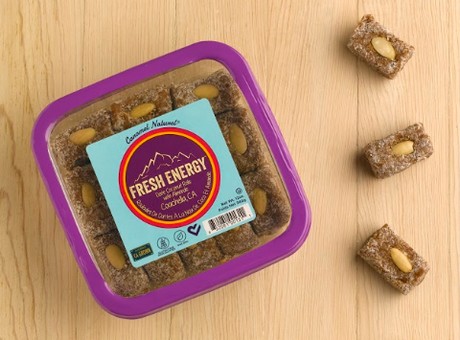
Atlas Produce also has date rolls available, which are seeing an increase in interest, according to Dobrzanski. “All the rolls we do are the best in the industry and consumer are seeing great value in them. Instead of purchasing trail bars, for example, they opt for the date rolls as they know dates are the main ingredient.”

Transition to Fresh Energy brand
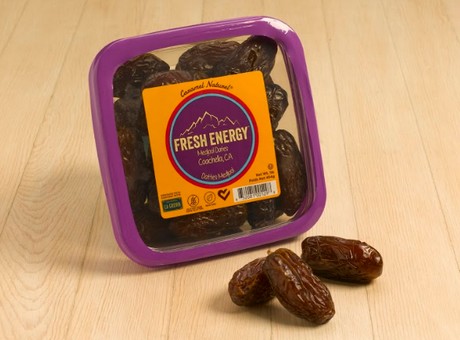
As the consumer interest in Medjool dates increased, Atlas Produce decided to create a new brand for their Medjool date products. Called ‘Fresh Energy’, the brand is a reflection on consumer trends in the healthy foods arena, Dobrzanski said.

“A few years back, we changed our brand name to Fresh Energy, and have since enjoyed great momentum with our sales,” he shared. “This year, we have a lot of retail promotions planned for the Holidays, for retailers who want to capitalize on the Fresh Energy brand. Our date products are available year-round and retailers can contact us to see how carrying Medjool dates can be a good way to differentiate them from the competition.”

By Fresh Plaza

Delta & Virgin Atlantic Expand Cargo Network Between UK and US

Delta Airlines and Virgin Atlantic are both increasing flights between the two continents beginning in the summer of 2020, and Delta will have a presence at Gatwick Airport for the first time in over five years. This expanded flight network will provide cargo customers better choices when it comes to trans-Atlantic capacity, routes and frequencies, according to a joint media release from the airlines.

Gatwick will become Delta’s seventh trans-Atlantic destination served nonstop from Boston when flights begin next May. During the same month, Virgin Atlantic will launch a daily flight to New York-JFK from Gatwick.

According to the media release. “Customers shipping cargo to the U.K. from the northeastern United States will benefit from a choice of up to 18 daily flights between Boston and New York and two London airports, plus Manchester, Edinburgh and Glasgow.”

Beginning next spring, both Delta and Virgin Atlantic will increase capacity between New York-JFK and Heathrow Airport. This effort will provide more flight options between the trade hubs, including Delta’s first daytime flight from New York-JFK to Heathrow.

Virgin Atlantic’s Heathrow to New York-JFK flights will also be the first route served by the airline’s new Airbus A350 starting in September, which will offer a further cargo capacity boost, according to the release. “Virgin Atlantic is also set to increase flights to important West Coast hubs, as it ups frequencies from Heathrow to Seattle from seven to 11 flights per week,” the release reads. “Los Angeles will also see services rise from 14 to 17 flights per week, with up to three services per day operating in the busy summer months and will be the second route to be operated by the A350 next year.”

By Fresh Plaza
Avocado Market Expected to Tighten in Coming Weeks

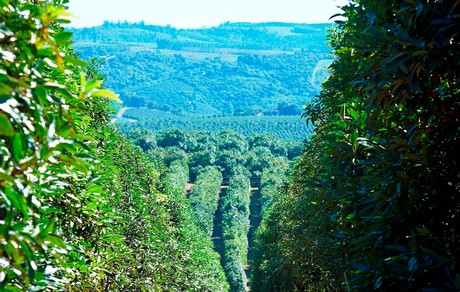
California has a few weeks left to run for its avocado season, with volume winding down, according to suppliers. Much of this production will be centered on the more northerly growing regions. Peru is also still shipping, although supply from the South American producer has also started to wind down. This will then leave Mexico as the main supplier to the United States market.

“California is still pumping out volume for now and we should continue to see supplies trickling in for the next few weeks,” noted Angela Tallant of Westfalia Fruit. “Peru shipments into the US are slowing down and should be finished in the next week or so. It means we are getting to a point in the season that typically sees a risk of tightening supplies as Mexico becomes the sole supplier.”

Speculation about the next four to six weeks
With three suppliers to the market dropping to one, there is a lot of uncertainty and speculations in the market for the next four to six weeks. It’s a time when the market tends to heat up as the US looks to Mexico to feed the US demand. According to Tallant, the overall production in Mexico has been subdued during the summer months, but with Peru and CA declining, more demand starts to shift to Mexico.

“There has been talk of a possible gap in supply once California and Peru finish up, as the Mexican Loca crop winds down and we transition to the Aventajada crop,” Tallant explained. “But the market has seen softer demand because of recent high prices as well as rain in Mexico. As a result, it has been relatively quiet for Mexico producers. There is a good supply of fruit on the trees and it is possible that light harvest of lower elevation Aventajada fruit could start in coming weeks. It is just too hard to say how much of the crop will be mature enough in August, but we anticipate the Aventa harvest to ramp up by mid-September.”

Tallant added that prices are however, expected to temporarily rise in any case as demand shifts to Mexico and we transition from Loca to Aventajada. This is especially true for larger fruit as the size curve trends to smaller sizes in both crops. “We anticipate that light harvest of the mature Aventajada crop could start in lower elevations in in the next few weeks. We should not see volume really ramp up until Mid-September as we await the rest of the crop to mature. This is when we may feel the upward pricing pressure and the most uncertainty, as the US will rely on Mexico to feed the demand. Come October, we will be into the ‘Normal’ crop and should start to see good promotional volumes, pricing and a more balanced size curve entering the market once again.”

New horizons for US avocado supply
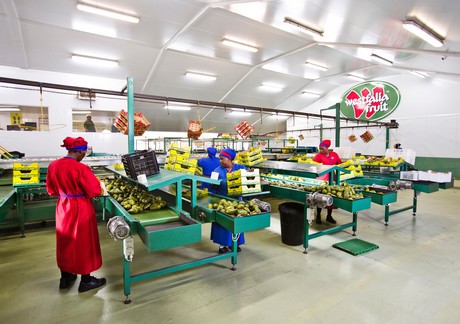
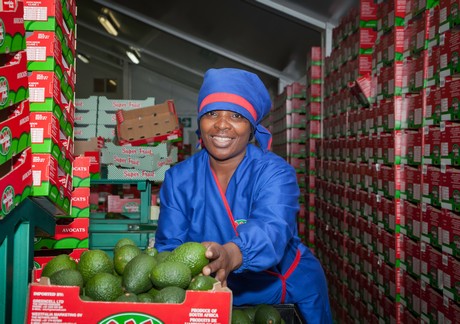
Westfalia Fruit is a global shipper of avocados and a number of other fruits. The company has avocado estates established on three continents, including production in some regions that are less familiar to the United States. One of these is Colombia and Westfalia Fruit has started introducing Colombian avocados into the US market in order to fill some key windows.

“We were excited to recently open our second pack house in Colombia,” Tallant shared. “Westfalia Fruit is now looking at Colombia as a great source of avocados for the US market, because it comes into peak during the transition to the Mexican season. It also enjoys strong production during the period when Mexico is the only source for the US and shipping only takes around seven days. Within five years, the trees will greatly mature and provide sufficient fruit to be a consistent source for the United States. Colombian avocados are excellent eating quality. We recently conducted a blind tasting, and the Colombian avocado was found to be the preferred one.”

Another possible source that Westfalia Fruit is currently investigating is its home country, South Africa. Shipments to the US could potentially start next year. “We are looking into the possibility of shipping avocados from South Africa to the United States in 2020,” Tallant concluded. “US demand continues to increase each year and as a company, Westfalia Fruit is trying to stay ahead of the curve and ensure sufficient supplies to meet the growing demand, while also diversifying our sources.”

By Fresh Plaza

Overview Global Potato Market

The dry weather has left its mark in Europe this year. There is little demand for potatoes on the market, although it is now starting to recover. The exports from the largest European potato producers, such as the Netherlands, France and Germany, are not going smoothly and many markets are currently choosing potatoes from other European countries because of the price. Spain in particular is benefiting from this with a good harvest and high prices on the market.

In North America, the prospects in Idaho are gloomy: yields and sizes are disappointing. The demand for potatoes is currently higher than the supply, and this is driving prices up. Washington is taking advantage of this, as the harvest there has good prospects. In Canada, the harvesting has been postponed in most regions. The province of Manitoba can expect a record production this year, one of the best ever.

Prices in China have also risen. The production is lower due to natural disasters. Markets in Southeast Asia are therefore also looking elsewhere. In South Africa, the prices for potatoes are on average higher than last year. The prospect is that the volume of this year’s harvest won’t differ much from the record harvest of the previous season. The sales volume is currently lagging behind compared to last year.

The Netherlands: Potato prices under pressure due to slow exports
According to Dutch potato traders, potato exports are currently lagging behind. The domestic demand, however, is starting to pick up a bit following a very quiet period during the summer heat, even though exports are not yet going very smoothly. That is why prices are under pressure. Prices at origin have fallen in recent weeks from 30 to 20 cents. Traders expect prices to fall further due to slow exports. Last year, Dutch potatoes were too expensive for exports to be smooth, but no one is expecting low prices either.”

Belgium: price recovery on the market
As a result of the dry weather, the potato yields are disappointing; and that despite the expansion of the acreage. Nevertheless, the yield is better than last year’s. After a slight fall, the price is now recovering somewhat. The potato market is currently under the full influence of the weather forecast. Besides, it is unclear what the impact of the heat will be on the potatoes and their storage.

Germany: Large supply pushes prices down on the domestic market
More than enough early domestic potatoes are currently available in Germany. The product is, however, traded between the various growing areas. In any case, the large supply is reported to be putting prices under pressure on the domestic market. As far as exports are concerned, the usual destination markets are choosing for goods from neighboring countries, as they are a lot cheaper in terms of price than Germany, reports a trader. However, it should be noted that by the time the main harvest starts, prices will again be somewhat on par with the international level.

The main harvest in the organic sector will also start shortly (expected in early September). Currently, the demand for organic potatoes – in line with prior prospects – is still relatively low. In the long term, organic potatoes will achieve an interesting growth, while the market share of the conventional declines. Parallel to this, after years of stagnation at around 8,000 hectares, the acreage is also growing considerably. Nevertheless, this large growth is expected to take place mainly in the processing industry, as there is also an increasing demand from the German hospitality industry for easy to prepare, organic potato products.

Austria: Quiet market
There is talk of a quiet market in Austria, with producer prices oscillating between 30 and 37 Euro / 100 kg. It is suspected that the demand will increase again in the coming weeks, coinciding with the falling temperatures.

France: Low demand leads to low prices
The potato harvest started four weeks ago in France. There is currently little demand from the French market due to the warm summer weather; however, potato prices are fluctuating strongly in the market. The further the season progresses, the higher the yield per hectare. At the end, however, there will be a clear difference between irrigated and non-irrigated areas. The yield on the areas with irrigation will be considerably higher than that obtained by growers who don’t have this option. The quality of the French potatoes is still good at the moment.

Spain benefits from the dry weather in Europe
Due to the dry weather, production in Europe is low. The EU’s most important producers, such as the Netherlands, France and Germany, have seen their export figures fall. The harvest has been better in Spain, and due to good prices on the international market, the country has exported more potatoes. The harvesting is currently underway in the region of Castile-Leon and this year the crop is the most cost-effective product. After a period of shortages a few weeks ago, as a result of which prices doubled to € 0.58 / kg, the supply and the demand are recovering. The average price in July this year was around € 0.29 / kg, while last year it was € 0.27 / kg.

This year, due to the weather, the roles usually played by France and Spain have been reversed. France is normally self-sufficient in potatoes and Spain is its largest market. Now Spain is exporting potatoes to the neighboring country. The harvest in France is about to begin, but the heat waves could have an impact on the yield and quality of the potatoes. This is leading to uncertainty for Spanish importers.

United States: Lower yields and smaller sizes, but not in Washington
The new potato harvest in Idaho is starting next Monday. The prospect is that both the yield per hectare and the size of the potatoes will be lower than last year’s. Some growers speak of a 30% drop. A wet April delayed the sowing of the potatoes, while a cold summer ensured that the potatoes could not grow optimally. Twice in June frosts were recorded, which did no good to the potatoes. The harvesting has been delayed by a week. The old harvest was finished last week. In the Skagit Valley, in Washington State, the new harvest is scheduled for August 26. The growing conditions are “almost perfect,” with beneficial rainfall nicely spread out. The yield will be close to the average and a good quality production is expected.

At the same time, the demand for potatoes is good. “In recent months, the demand for potatoes has exceeded the available supply,” says a trader. “But that will not continue.”

The price is high compared to last year. “On the market, you now pay $ 19 for a 40-count box from the old harvest. Last year, this figure was $ 10.50, and you paid $ 11 and $ 13, respectively, for a 50- and 60-count box. Normally, prices fall a little during the harvest season because more players enter the market. With the lower yields and sizes, I do not expect the price to fall like in the past.” Washington potatoes are benefiting from this high price on the market.

Canada: Harvest in Manitoba could become one of the best ever
Most old stocks of potatoes are running out this week. The new harvest is about to begin, but it is being delayed in some parts of the country. The new harvest in the province of Manitoba could become one of the best ever. Dry weather has been recorded in many parts of the country this season, but there has also been rainfall in recent days. In some parts, such as Alberta, however, there was excessive rain. A large number of growers have switched to irrigating their potato fields this year.

China: Typhoon reduces potato harvest, higher prices on the market
There is year-round potato cultivation in China, which means there is also supply available throughout the year. Given that there are many growers in China, competition is fierce, and that pushes prices down. Currently, the price for potatoes is going up slightly, as the Lekima typhoon has caused a lot of damage to the fields and part of the harvest has been destroyed. Shandong, a large production area, however, has not experienced much damage from the typhoon. It had most of its potatoes in storage, so it was spared.

Much of the production is sold in China, because there is also a lot of demand for potatoes from China itself. A lot is also exported, especially to Southeast Asian countries. Taiwan and Malaysia are two major importers, but also very price sensitive. If the price goes up a little, other options are considered. Given the lower supply and slightly higher prices, the export volume to these countries has also declined. This year, more has been exported to Latin American countries, which showed a greater interest in the Chinese product.

South Africa: Volumes lag behind; higher prices
Looking at the cumulative sales volumes of potatoes, South Africa is 2.3 million 10 kg bags behind compared to this same time last year (68.4 million bags). The prospect is that 248 million 10 kg bags will be harvested this season, which does not differ much from last year’s record harvest. The yield per hectare is up, but also the production costs. The Western Free State, Limpopo, Sandveld and the Northern Cape are the most important regions currently harvesting potatoes The prices show an upward trend and now stand on an average of €2.10 / 10 kg (37 ZAR), taking the various markets and sizes into account. This is higher than the average price at this same time last year. There are indications that more hectares are being planted.

By Fresh Plaza

FDA Releases Results of Romaine Lettuce Sampling Assignment in Yuma Growing Region

The U.S. Food and Drug Administration has released the results of a sampling assignment that tested romaine lettuce grown in the Yuma, AZ agricultural region for pathogenic Shiga toxin-producing Escherichia coli (STEC) and Salmonella spp.

The assignment was conducted following the Spring 2018 outbreak of E.coli O157:H7 linked to romaine lettuce from the Yuma growing region. The outbreak involved 210 people in 36 states and resulted in 96 hospitalizations, 27 cases of hemolytic uremic syndrome (a type of kidney failure) and five deaths. In addition, there have been five suspected or confirmed multistate outbreaks of foodborne illness linked to produce harvested in the Yuma growing region since 2012.

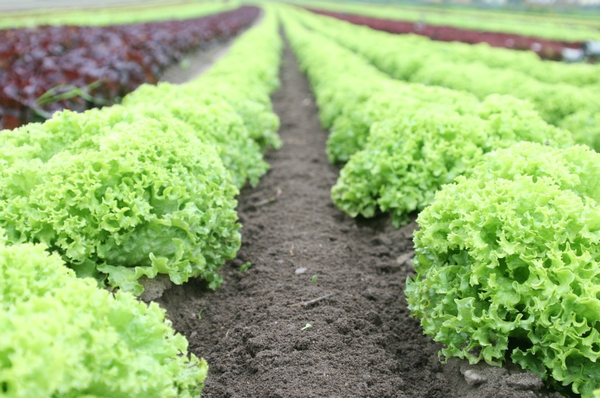
Farms in the Yuma growing region provide the majority of leafy greens that reach consumers in the United States during the winter months (November to March). The FDA began sampling romaine lettuce on December 17, 2018, shortly after the season’s harvest began, to monitor the risk of contaminated romaine lettuce entering the market from this region.

The FDA chose to sample romaine lettuce at commercial coolers and cold storage facilities where field heat is removed from harvested romaine and product is cold-stored before shipment. This enabled the agency to collect samples from multiple farms at the same time from centralized locations, while also being able to easily identify the farms from which each sample originated. In all, FDA field staff visited 26 commercial coolers and cold storage facilities in the Yuma growing region with the assistance of the Arizona Department of Agriculture and the Arizona Department of Health Services.

During the assignment, the FDA collected and tested 118 samples for each pathogen. The FDA did not detect Salmonella in any of the samples. The agency detected Shiga toxin-producing E.coli (STEC) in a single sample, however, further analysis determined that the bacteria was not pathogenic.

The findings of this assignment suggest that there was no widespread STEC or Salmonella spp. contamination of romaine lettuce from the Yuma growing region during the period when the sampling occurred. The FDA is continuing to work with leafy greens stakeholders in the Yuma region to consider a longer-term environmental study to identify and control risks that will prevent future outbreaks, with the ultimate goal of protecting consumers.

By Blue Book Services

Fresh Produce, Brought to You By Robots

A family-owned market in California is now selling robot-reared leafy greens.

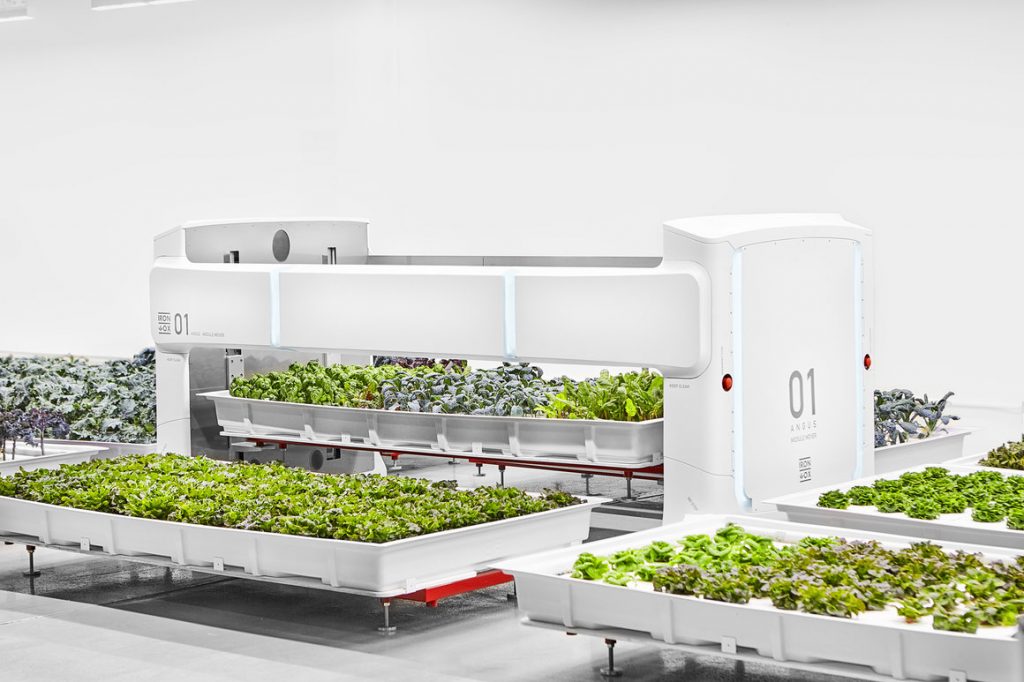
IN SAN CARLOS, CALIFORNIA, UNDER LED lighting in a controlled, 8,000-square-foot environment, a team of autonomous robots is whirring night and day between rows of leafy greens. There is no dirt, there are no pesticides, and on this indoor farm, the only humans work behind screens. This is one of the world’s first autonomously operated commercial farms, and their produce is now flying off the shelves.

As a child, roboticist Brandon Alexander spent summers in Oklahoma helping his grandfather grow potatoes, peanuts, and cotton on a 6,000-acre farm. But as CEO of Iron Ox, the start-up company behind the automated farm, he says traditional farming is now his biggest competition—and granddad understands. “He knows that for farming to survive, this is almost inevitable,” says Alexander.

At Bianchini’s Market, a family-owned grocery in the San Francisco Bay Area, the two worlds are competing for the first time. As it stands, the robots are holding their own: Between retail buyers and several local restaurants, including San Francisco’s Trace, Iron Ox saw sales more than double last quarter.

The San Carlos operation is not completely automated just yet. Human staff still plant the initial seed and handle post-harvest packaging. But the rest is left to robots.

Angus, a half-ton aluminum porter, roams the “field” of trays, or pallets, 24/7 with an overhead camera. On traditional farms, plants need space for their roots to absorb nutrients; on hydroponic farms, however, seeds can be planted in their trays mere inches apart. As they grow and begin crowding each other, though, this does require more attention from, say, a sleepless robot. Angus carries the 800-pound pallets in need of rearranging to a separate, industrial robotic arm that gently re-shuffles the growing pods into new compact rows. Angus is also responsible for IPM (integrated pest management) and scanning for aphids, mildew, and browning. The robotic arm’s stereo-camera (“two cameras that kind of mimic your eyes,” Alexander casually explains) creates a 3-D model of at-risk produce that’s run through a machine algorithm to diagnose the issue and quarantine or prune accordingly. “The Brain,” a cloud-based AI software, coordinates all these autonomous functions while monitoring light, nitrogen, and water levels. “It’s a neighborhood farm,” says Alexander.

He’s not wrong. Produce from Iron Ox travels less than a mile to reach Bianchini’s—itself a mere 25 miles from downtown San Francisco. In fact, evening shoppers at Bianchini can buy produce robo-picked that morning, and at price points that compete with outdoor farms: A bunch of basil sells for $2.99; four heads of baby lettuce for $4.99; and a bunch of red-veined sorrel for $2.99.

Typically, the cost of human labor required for indoor hydroponic farms has made their produce inaccessibly expensive. Jake Counne of Backyard Fresh Farms, a similarly autonomously assisted farm in Chicago, told the Chicago Tribune that employing robotics reduced his labor costs by 80 percent. For this reason, building a farm around robotics and A.I. could crack the code of making indoor farms feasible. And while Alexander’s leafy greens remain local, the consequences of Iron Ox’s success may not.

Using robotics to make indoor hydroponic farms practical could alleviate a host of agricultural problems. In 2016, World Water Forum cited farming as a major contributor to global water scarcity. But farms like Iron Ox use 90 percent less water than outdoor farms. In a 2019 report on the challenges of feeding 10 billion people by 2050, The World Resources Institute cites concern over “the difference between global agricultural land area in 2010 and the area required in 2050 … if crop yields continue to grow at past rates.” According to Alexander, Iron Ox yields 30 times more produce per acre over the course of a year than conventional farms, and without using any arable land. A 2016 report from the National Center for Biotechnology on Chemical Pesticides urged a “drastic reduction in the use of agrochemicals,” and indoor farms alleviate the need for herbicides and pesticides.

By Atlas Obscura

Study Suggests Promotional Programs Helped Increase Avocado Demand

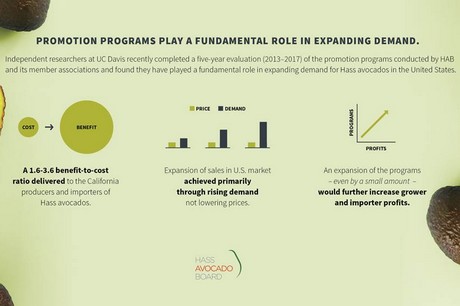
In a study commissioned by the Hass Avocado Board (HAB), researchers at the University of California, Davis concluded that promotion programs funded primarily by HAB assessments paid off for California Hass avocado producers and importers of Hass avocados during the review period.

The five-year evaluation (2013-2017) also found that the promotion programs conducted by HAB and its member associations played a fundamental role in expanding demand for Hass avocados in the United States.

HAB said researchers found that the expansion of sales in the U.S. market has been achieved primarily through rising demand not lower prices, and that the programs delivered a benefit to cost ratio ranging from 1.6 to 3.6 to the California producers and importers of Hass avocados who funded them. Ultimately, the analysis suggests that an expansion of the programs – even by a small amount – would further increase grower and importer profits.

“These results should come as no surprise to outside analysts or people involved in the industry as producers and marketers,” said Richard J. Sexton, Ph.D., Department of Agricultural and Resource Economics at the University of California, Davis. “The Hass avocado success story in the U.S. in terms of the rapid increase achieved in per capita consumption, while maintaining stable or increasing real prices to producers and importers, has made avocados the envy of the produce industry.”

The full five-year evaluation is now available in HAB’s recently re-launched website. According to HAB, the new website design includes easy-to-navigate sections for growers and for marketers, as well as for the industry to go “Inside HAB” – an opportunity to learn more about HAB’s mission, vision and position. 

By Fresh Plaza

New Early Diagnosis Method Could Help Protect Crops From Citrus Greening

Researchers have found a fast and low-cost staining method to diagnose Citrus Huanglongbing (HLB), potentially helping to mitigate crop loss. The method identifies insect feeding sites, which are the transmission agent. The sites can then be tested for the causal agent (Candidatus Liberibacter asiaticus) using a quantitative real-time polymerase chain reaction. This allows HLB to be identified up to two days after transmission, instead of the months traditionally needed.

HLB, also known as greening, is incurable and causes trees to produce bitter fruits that are green, misshapen, and unsuitable for sale. As the most effective methods to stop HLB spread involve early diagnosis, it is imperative that growers have access to a reliable technique.

The strategy for diagnosing HLB before the appearance of blotchy mottle symptoms was devised by Professor Nian Wang and his postdoctoral research associate Dr. Sheo Shanker Pandey, both from Citrus Research and Education Center, Department of Microbiology and Cell Science, at the Institute of Food and Agricultural Sciences of University of Florida.

This method allows the HLB causal agent to be detected long before the appearance of symptoms. Meanwhile, traditional methods rely on waiting for blotchy mottle symptoms to occur and then confirming disease presence using molecular tools. However, as symptoms typically do not occur for many months, the disease has ample opportunity to spread throughout the grove. This makes it difficult to prevent the spread of HLB through measures such as quarantine, controlling the insect that spreads the disease (Asian citrus psyllid), removing diseased trees and planting HLB-free trees.

By Fresh Plaza

First Potatoes Out of the Ground in Idaho

Some of the first Idaho potatoes are coming out of the ground this week for the 2019/2020 season. Reports indicate that yield is good and the size profile is peaking on mid sizes with a good spread either way.

“Our harvest starts August 9 and we plan to start shipping right away,” shared Colin Gibson of 20/20 Produce Sales. “The potatoes are coming out of the far western part of Idaho, on the Oregon border. The growers are reporting a nice size profile, with good numbers of 60s, 70s, 80s, and 90s.”

Despite some hot weather from time to time over summer, Gibson said the general growing conditions have been favorable. “The last of the hot spell ended earlier this week, and now we have a run of cooler weather. This will provide nice harvest conditions and help with the transport and the product itself.”

Early start to the day
To take advantage of the coolness at that time of day, growers opt to begin harvest each morning well before sunrise. Harvested potatoes are immediately loaded into the truck to be taken to the packing shed. Gibson said 20/20 Produce cooperates with truck drivers in order for the process to be as efficient as possible.

“We usually start digging between 3am and 4am as it is cooler at that time of day,” he explained. “The loaded trucks then make their way to the packing shed which is about a two to three hour drive from the field. We try and schedule each truck with 30 minute intervals in between. That way, the drivers can get some more rest without having to sit near the field waiting to get loaded.

New crop two dollars more than storage
20/20 Produce has managed its storage crop so that they shipped the last of it a week ago, right on time for the new crop. The market for new crop potatoes is expected to be about two dollars higher than storage crop, based on historical trends.

“The market right now is around $19 and we usually see the new crop come in $2 higher, so hopefully we will have an opening of $21,” Gibson said.

Incidentally, the new crop being packed now are Norkotah potatoes. These mature around 30 days earlier than Burbanks, enabling growers to enter the market with new crop Idaho potatoes sooner. According to Gibson, Norkotahs are seeing an increase in demand.

“They are certainly gaining in popularity,” he said. “Along with the earlier availability, Norkotahs are proving to have a higher pack-out percentage and are enjoying increased movement because of this.”

Cross-docking facility being considered
20/20 Produce Sales not only sells potatoes, but also items like onions and apples. The company has found more customers are interested in receiving a greater variety of produce from the one supplier. Therefore, this year 20/20 Produce is going to look into expanding its cross-docking capabilities, especially with specialty potatoes.

“We will look to increase our cross-docking this season, including for fingerlings, reds and Yukons and of course onions, for those customers that need to utilize more space on the truck,” Gibson shared. “Customer want to be more efficient and cost-aware when it comes to their deliveries. With the increased activity in this area, 20/20 Produce is even looking at building a dedicated cross-docking facility in the future.”

By Fresh Plaza

Church Brothers Farms’ Jason Lathos Chalks Up Broccoli and Cauliflower Popularity

If you’ve taken a gander around produce aisles of late, you might have noticed that all things green are flying off store shelves and into consumers’ carts faster than ever. And since I’m a consumer first and a trade news writer second, maybe I tapped Jason Lathos, Manager of Commodities for Church Brothers Farms, more to assure myself that my next grocery trip would still be broccoli- and cauliflower-filled and less to check in on the market—maybe. Either way, here’s what Jason had to say about the state of the current broccoli and cauliflower season…


Jason Lathos, Manager of Commodities, Church Brothers Farms

Jason Lathos, Manager of Commodities, Church Brothers Farms
“Broccoli and cauliflower are getting more popular year-round, let alone for just this time period,” Jason began to tell me. “Last year to date, the broccoli market for this time period was in the high teens, and this year the trend is the same—even though there are many different growing areas across the nation.”

Jason explained that this is because the start of the school year is already upon us, which always kickstarts demand into high gear. But even more than that, Jason attributed the increase in demand to the ever-rising popularity of both broccoli and cauliflower.

Jason Lathos attributed the increase in demand to the ever-rising popularity of both broccoli and cauliflower
Jason Lathos attributed the increase in demand to the ever-rising popularity of both broccoli and cauliflower.

“In 2018, the cauliflower market was in the high single digits. This year, we are in the low twenties. The difference in demand is that cauliflower is getting more popular,” Jason said. “There are a lot of new ways consumers are using cauliflower and there seems to be a new recipe or application cropping up every week.”

And it’s true: Cauliflower is no longer just a vegetable. Instead, cauliflower is a center-of-the-plate star, with healthy and delicious recipes like rice, pizza, and more, only making that fact even more obvious amongst foodservice operators, retailers, and consumers alike.

“It’s awesome,” Jason continued. “As a result, I would say that the broccoli and cauliflower markets are more active than normal for this time of the year.”

By AndNowYouKnow

Washington Apple Crop Predicted at 137.3 Million Boxes

Boasting nearly a 20% increase compared with the 2018 crop, this year’s Washington fresh apple crop is estimated at 137.3 million boxes.

The Washington State Tree Fruit Association said the estimated 2019 fresh crop is 18% bigger than the 2018 crop of 116.7 million boxes, according to a news release.

“WSTFA members are expecting an ample 2019 apple crop with a good mix of varieties for today’s market,” Jon DeVaney, WSTFA president, said in the release. “Favorable summer growing weather means that Washington growers are expecting a crop with excellent quality and finish.”

By variety, the crop estimate said gala is projected to total 23% of production, with red delicious at 20%, fuji at 13% and granny smith at 12% of total fresh production.

The estimate projected Honeycrisp at 12% of the state’s fresh crop, while cripps pink is estimated at 5% of the total.

Andy Tudor, vice president of business development at Rainier Fruit, Selah, Wash, said some industry leaders had been predicting a crop as big as 150 million boxes.

He said apple sizes may be down a bit from last year, with galas projected to have peak sizes of 88s, 100s, and 113s.

“The fruit size is probably not as good as growers wanted it to be this year,” Tudor said.

At the same time, the large Honeycrisp crop has projected peak sizes of 72s to 88s, which are ideal sizes for retail promotion.

The 2019 estimate projects organic apple production at 13% of the total, or 18.3 million boxes, according to the release.

The forecast is based on a survey of WSTFA members, according to the release, and represents a “best estimate” of the total volume of apples that will eventually be packed and sold on the fresh market.

Washington state will also produce its first commercial volume of Cosmic Crisp apples in 2019, said Lynnell Brandt, president of Proprietary Variety Management LLC, Yakima, Wash.

Brandt said the 2019 Washington Cosmic Crisp crop is expected near 450,000 boxes, with third leaf fruit (three-year-old trees) released for sales Dec. 1 and second leaf fruit (two-year-old trees) released Jan. 1.

Harvest of the variety will begin in mid-September and continue into October.

With about 11 million trees of Cosmic Crisp planted so far, Brandt said Cosmic Crisp production will rise to about 2 million boxes by 2020 and see further big jumps after that.

Proprietary Variety Management is managing the marketing of the Cosmic Crisp, and the apple will be sold by most if not all Washington shippers.

The variety, identified as the WA 38 apple tree cultivar, was developed at Washington State University.

Both WSU and PVM are using $2.5 million of the first royalties they have received for the variety to invest in consumer marketing efforts over the next four years, Brandt said.

By The Packer

Blueberry Health Benefits Reviewed

The weight of evidence that points to the health benefits of blueberries is substantial, and a recent paper outlines what is known so far.

The paper, called “Recent Research on the Health Benefits of Blueberries and Their Anthocyanins,” was published in Advances in Nutrition.

“This review of research findings will help consumers, healthcare providers and the food and health industry understand the current state of knowledge on blueberries and health,” Wilhelmina Kalt, Agriculture and Agri-Food Canada, Kentville Research and Development Centre, Kentville, Nova Scotia, Canada, the paper’s lead editor, said in a news release. “The paper also discusses gaps where more research is needed to better understand how blueberries affect health.”

The authors review the scientific literature on blueberries’ potential health benefits, according to the news release, and also looks at the research on anthocyanins (163.3 mg/100 g of blueberries) – the polyphenol (plant compound), that give blueberries their vibrant blue color.

“It can be safely stated that daily moderate intake (50 mg anthocyanins, one-third cup of blueberries) can mitigate the risk of diseases and conditions of major socioeconomic importance in the Western world,” the paper said in its conclusion.

The review paper was funded by the U.S. Highbush Blueberry Council, but the council had no role in the design, data collection, data analysis, data interpretation or writing of the paper, according to the release.

More information on n blueberry nutrition research is available at the council website.

By The Packer

Russia Cuts Off Chinese Fruit

Ongoing phytosanitary concerns have caused Russia to ban the import of certain fruit from China

Russia’s federal service for veterinary and phytosanitary surveillance, Rosselkhoznadzor, said it will ban the import of a range of fruit from China on 10 August, according to local news sources.

The ban is expected to include apples, pears, plums, nectarines, apricots, peaches and cherries.

The Rosselkhoznadzor to told RBC in a statement the decision was made as a result of the ongoing detection of infected and dangerous plant products among imports from China. It said between 2018-2019 there were 48 cases of objects requiring quarantine.

“The Rosselkhoznadzor expects consultations with the Chinese side and inspections of places of production, storage and packaging of plant products, after which the issue of restoring trade will be considered,” the federal service told RBC.

The ban will affect a significant portion of Russia’s fresh produce imports from China. Together apples, pears and pitted fruit made up 13.7 per cent of the total value of fresh produce imports from China in 2017, combined they represent the largest portion in the category.

This announcement comes after the Rosselkhoznadzor met with representatives from the plant quarantine and protection organisations of China and India on 19 July. There, the federal service raised its concerns with China about the number Chinese origin shipments being quarantined, it said in a statement following the meeting.

It also requested the phytosanitary quarantine requirements for the export of tomatoes, peppers and cucumbers from Russia to China due to interest from Russian producers.

By Fruit Net

Stink Bug Threatens Italian Fruit

Country’s entire pear crop said to be in danger following unprecedented outbreak, with apples and kiwifruit also at risk

Fruit crops including pears, apples and kiwifruit in some of Italy’s major producing regions are reportedly under grave threat following an unusually widespread outbreak of brown marmorated stink bug.

The insect, which is native to several Asian countries and has recently established itself as a pest in part of Europe, North America and South America, is said to be worryingly prevalent this year across much of northern Italy, including Piedmont Lombardy, Emilia-Romagna, Veneto, Trentino-South Tyrol and Friuli-Venezia Giulia.

According to reports, the outbreak is so serious that some believe it threatens to wipe out Italy’s entire pear crop, with estimated potential damage to that sector alone ranging from €250m to in excess of €400m.

Giorgio Mercuri, president of national cooperatives alliance ACI’s agricultural division, called on the government to set up an emergency committee of ministerial and regional representatives to tackle the problem, which he said had been further aggravated by an unseasonable climate.

“This dramatic crisis, whose financial impact on businesses is remarkable, is now also expanding to other products – vegetables, soy and wheat – and regions such as Friuli Venezia Giulia and Piedmont, and is predicted that the damage will further increase,” he said.

Agricultural body Confagricoltura’s Emilia Romagna office released a statement confirming the bug had been detected in Italy’s so-called golden quadrilateral, an area linking Ferrara, Modena, Bologna and Ravenna that is responsible for producing almost three-quarters of the country’s pear crop.

The group’s regional president Albano Bergami, who also produces pears near Ferrara, underscored the severity of the episode. “The reality is beyond our imagination and even more negative than any ominous initial forecast,” he commented.

“Serious damage caused by the Asian bug is also being found on all varieties of pears, including Santa Maria in full harvest and even in the areas where the killer insect in the past had never appeared, so much so that now its presence can be considered endemic.”

Uphill struggle

Even where crops are protected, for example with netting, the magnitude of the outbreak and the sheer number of bugs is apparently leading to damage that renders the remaining crops unprofitable.

“Some of our fellow producers have already left the pear plants to their fate because of [brown marmorated stink bug],” revealed Simone Spreafico, owner and director of Spreafico, one of Italy’s largest fresh produce marketers, in conversation with Italiafruit.

A video recorded by Spreafico and posted on the Italiafruit website late last week showed a massive swarm of stink bugs apparently at a pear orchard in Veneto.

Another video, posted on Twitter by Professor Max Suckling, biosecurity science group leader at New Zealand’s Plant and Food Research, showed the bugs crawling across a mower at an apple research orchard in Trentino, north-west Italy, managed by Fondazione Edmund Mach.

“The latest case was this week: a 40ha farm in Rovigo, which had just started harvesting the summer variety Santa Maria,” Spreafico added. “After having seen the huge damage to the fruit, the owner decided to abandon all operations.”

Even with covers, he said, volume losses would still be around 30-40 per cent. “Younger bugs, in fact, are so small that they can often slip into nets. We can do nothing to counter them. Unfortunately, this insect will take away even the little pears that we expected to harvest this year.”

As far as Spreafico was concerned, it made no sense to produce if only two-thirds of the potential production ends up being viable. “It can be done for a year, two at most,” he told Italiafruit. “The 2019 vintage is considered lost. Next year, we will be forced to cut down the trees.

“As producers we need immediate responses from government and research bodies, so we can overcome the bug problem in the shortest possible time.”

Fruitnet understands that some producers in Italy are looking to adopt control measures similar to those employed in other parts of Europe and the US, where affected growers have been known to deploy an insect known as the Samurai wasp to bring stink bug infestations under control.

The wasps are known to deposit eggs in the bug’s own eggs, which then die as the parasitic larvae grow.

By Fruit Net

U.S. Fresh Exports Show Mixed Trends

U.S. exports of fresh fruits were down but fresh vegetables exports were up the year from July 2018 to June 2019.

The U.S. Department of Agriculture’s latest trade statistics revealed that total fresh fruit exports in the July 2018 to June 2019 period were $4.3 billion, down 11% from $4.82 billion from July 2017 to June 2018.

Fresh vegetable exports totaled $2.67 billion, up 5% compared with $2.55 billion a year ago.

For the year of July 2019 to June 2019, the USDA fresh vegetable exports to Canada were up 7% while fresh fruit exports to Canada were off 8%.

The USDA sales exports sales of fresh fruit to Mexico were up 2% and export sales of fresh vegetables to Mexico rose 16%.

Showing the effect of China’s tariffs, sales of U.S. fresh fruit to China were down by 48% in the July through June period.


By The Packer

China: No More Purchases of U.S. Agricultural Products

China said Aug. 5 it would no longer buy U.S. farm commodities, signaling another escalation in a more than year-long trade battle with the U.S.

President Trump’s recent decision to raise tariff rates on $300 billion worth of Chinese imports starting Sept. 1 sparked retaliation by China in the form of a currency devaluation and a pledge by China to stop buying U.S. agricultural commodities.

“China’s announcement that it will not buy any agricultural products from the United States is a body blow to thousands of farmers and ranchers who are already struggling to get by,” said American Farm Bureau Federation President Zippy Duvall in a statement.

Bad weather, falling commodity prices, and high tariffs have dogged U.S. farmers for more than a year, he said in the statement.

“Farm Bureau economists tell us exports to China were down by $1.3 billion during the first half of the year,” he said. “Now, we stand to lose all of what was a $9.1 billion market in 2018, which was down sharply from the $19.5 billion U.S. farmers exported to China in 2017.”

Duvall said that while farmers appreciate the USDA’s Market Facilitation Program payments to help compensate for trade disruptions, he said time is running out.

“We urge negotiators to redouble their efforts to arrive at an agreement, and quickly,” he said. “Exports ensure farmers will continue to supply safe, healthful and affordable food for families here and around the world.”
Casey Creamer, president of California Citrus Mutual, Exeter, said the Chinese tariffs have hurt the industry.

“It just makes it that much more difficult to move to move product when you’ve got the tariffs in place,” he said. While the Trump administration has put money in place to purchase citrus and other commodities to boost farmer income, the recent statement by China to stop all U.S. commodity purchases will hurt growers even more.

“We will be more impacted then what we’ve been estimating before (and) we are going to need to continue talks with the USDA administration on protecting the citrus industry because we’re an unintended consequence of the (trade war),” he said. “This may still linger for quite some time and one of the biggest fears we have is that these markets are not easy to open up and once they close it’ll be even harder to get back in there,” Creamer said.

Slipping sales
U.S. Department of Agriculture trade statistics show U.S. fresh fruit exports to China from July 2018 through June 2019 were $123 million, down by nearly half from $239 million from June 2017 through July 2018. Fresh vegetable exports to China slid from $1.21 million in 2017-18 to $516,000 in 2018-19.

By The Packer

close
Loading…