Idaho Potato Market Expected to Strengthen

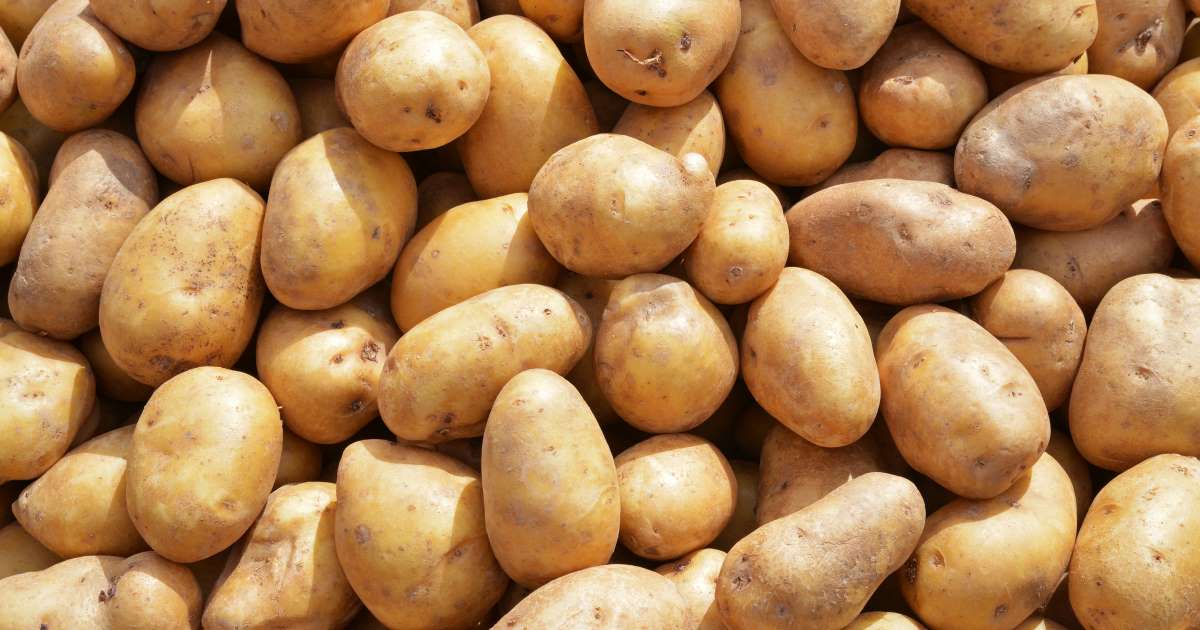
Supplies of potatoes in Idaho are expected to continue tightening as the season goes on. Producers say weather conditions earlier in the season have resulted in there being fewer potatoes around than usual and are expecting a strong market moving forward. According to one Idaho company, supplies out of the state will be tight for the remainder of the storage season.

“There is not really an abundance of Idaho potatoes on the market. Eastern Idaho got hit by an early frost and as a result, a number of suppliers will only be able to look after their program business. A lot of shippers are having to run shorter schedules and are needing to trickle supplies to help it last the storage season.”

Market strengthening
With a more challenging supply situation in the works, the Idaho potato market is making moves upwards, according to suppliers. This is despite the typically difficult freight conditions that can cause problems at this time of year. “We have seen the market increase through the New Year period and it continues to gain ground. We expect the market to remain strong for the rest of the season. There are no factors to indicate it will go anywhere else but up.”

It was also noted that demand for Norkotah Russet potatoes is increasing, with the variety performing well in the field and in stores. “Norkotah continues to grow in popularity in the state,” he said. “Producers enjoy a higher pack-out percentage as well as a shorter lead time of 90 days. We are currently seeing some good quality in the market, especially out of southern and central Idaho.”

By Fresh Plaza

Overview Global Blueberry Market

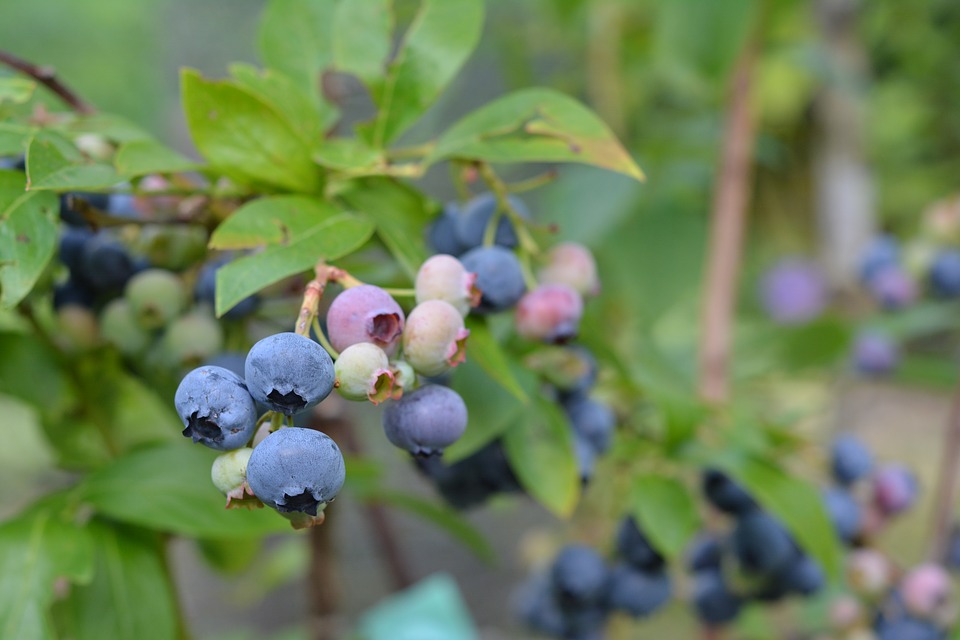
In recent years, the high prices recorded and the growing consumption of blueberries have led to increases in the volume produced and in the number of growing countries. In South America, there is fierce competition between reigning champion Chile and challenger Peru. At the moment, the volumes seem to be growing faster than the demand, so prices are under pressure on the world market.

South Africa: Provisional figures show a growth of 4,000 tons; further growth expected
The current export season is over in South Africa. The final figures for this season are not yet known, but according to the first figures, 12,200 tonnes have been exported, which is more than 4,000 tonnes more than in the previous 2018/2019 season (7,572 tonnes). This growth is in line with the sector’s expectations.

The prospect is that another 1,000 hectares will be added in the coming years, bringing the total to 3,400 hectares in the coming five years. In 2013, there were still just 437 hectares. The Western Cape is the dominant growing region for blueberries, but blueberry cultivation is carried out in every corner of the country. The development of varieties that are not as dependent on low temperatures has made this possible. In the early years of blueberry cultivation, there were only a few growers and exporters on the market, but the modern and open blueberry varieties have lowered the entry threshold for new growers and exporters.

Domestic prices have fallen considerably. The lowest level ever was recorded in December 2019, with € 1.48 / kg (28 ZAR). Four years ago, the lowest price was € 12.70 / kg (240 ZAR).

Mexico: Low prices are a cause for concern for the growers
The season runs from September to June, with the peak between February and April. This year there have been some delays due to the cooler temperatures in the country, but this had had no impact on the volume or quality. The volume of blueberries from Mexico is growing and that is pushing prices down. There are more countries with larger volumes and good quality on the market; as a result, high-quality blueberries are no longer as easily marketed. Growers in Mexico are looking into the cultivation of special varieties, such as the jumbo blueberries. North America remains the biggest market for the country.

Chile: Focus on organic blueberry production
Most blueberries come from the central parts of the country. The Chilean production is also greater than last year’s. Most blueberries are shipped to the US, but that volume is falling. In contrast, exports to Europe and Asia are on the rise. Chile is focusing on the cultivation of organic blueberries, whose has increased by 35% in 2019 compared to 2018.

Peru: Fight for the first place
In recent years, the Peruvian production and export of blueberries have grown strongly. The country is currently in a neck-and-neck race with neighboring Chile to become the world’s number 1 blueberry export market. As in Chile’s case, most volumes go to the US, but exports to Europe and Asia are also rising.

The Netherlands: Large volumes of blueberries on the market
Blueberry sales are difficult at the moment, in the sense that the volumes are very large and the demand is slow, according to Dutch importers. There is a lot of fruit available, now more from Chile than from Peru. Prices are at a low level and have actually been there since the Christmas period. In addition, the quality of the berries is very unpredictable. The first Moroccan blueberries are now being picked.

Germany: Peru dominates, Chile puts pressure on the market
At the moment, the blueberries on the German market come mainly from Peru, Chile and Morocco; however, these are not the only origins, which means that there is some oversupply and, consequently, pressure on prices. “We are aware with the fact that sales tend to fall every year in January and February, as there is relatively little demand. Retailers are trying to tackle this imbalance between supply and demand by offering blueberries as a promotional product. Nevertheless, there is also a huge supply of all sorts in the wholesale market,” says a trader who buys his goods mainly on Frankfurt’s wholesale market. Large sizes of the popular Duke variety are sold on the German wholesale markets by an average of € 4.75.

Germany is also growing increasingly more blueberries. In the Land of Lower Saxony, eight growers have merged and are marketing their goods under Blaubeergarten GmbH. German blueberries are sorted and packaged at one location during the season (June-August). “Our next step is to extend the season as long as possible using modern cooling technology. We also want to sort and package organic blueberries at the same location in the short term,” says the firm’s management.

France: Four origins on the market
The demand for blueberries in France is growing year after year. There are currently four different origins on the market: Peru, Chile, Spain and Morocco. The Chilean fruit has been sold for cheap prices since the beginning of the season, even though the quality of those blueberries has been higher than last year’s. In general, however, the quality is not as good as that from other countries. This is mainly due to the long distance (more than 5 weeks by boat) and the old varieties that the land grows.

Italy: Growers want to extend the season
The Italian blueberries are not currently on the market. On the wholesale market there are now Peruvian blueberries with prices oscillating between 12 and 13.50 € / punnet. Italy wants to extend its own production season in order to be less dependent on foreign countries. The areas devoted to blueberry cultivation are drastically expanding. Consumption is driven by the fruit’s good reputation as superfood. Blueberries are increasingly included in snacking packs.

“At the moment, we have a season lasting 4-5 months,” says an employee of a cultivation company in Italy. “With new varieties and cultivation techniques, we can reach the 8 months. The product’s prices remain stable throughout the year. The production costs in Italy are high, with at least 80% corresponding to labor costs; however, the blueberries are high quality ones, so customers tend to prefer them.”

Spain: Surplus and overlap expected in the season
The blueberry harvest kicked off in Huelva with the early varieties, but with small volumes. The season started a little earlier this year, but rainy weather did not help with the fruit’s growth. No significant volumes are expected until mid-February. Morocco is increasingly present in the European market, but most Spanish companies import Chilean and Peruvian fruit, as well as the last blueberries from South Africa. Mexico is also gaining ground in Europe. The Chilean volumes are expected to peak in weeks 7,8 and 9, which will result in an overlap with the Spanish season. Spanish blueberries currently have attractive prices, slightly higher than those of the Chilean production.

In the previous season there was a surplus with disastrous consequences for the sector. This year, the situation is expected to be even worse. The sector has grown strongly in the last seven years and the acreage and maximum capacity have yet to reach their peak. 70% of the volumes are delivered in April and May, when the free varieties Star and Ventura are at their peak.

China: More countries exporting to the Chinese market
There are several areas devoted to blueberry production in China, but none of them are currently in season. The campaign is expected to start around March / April. The blueberry supply is now mainly imported. China’s largest blueberry suppliers are Chile and Peru. Peru started exporting in September, when there was a good market with a good price. Chile started a little later, when the Peruvian season was about to end and the Chinese holidays were almost starting.

More and more countries are being allowed to export blueberries to China. Argentina, for example, entered this market for the first time in 2019, but ended up in a difficult position. The competition with Peru and Chile had an impact on the sale of the Argentinian blueberries. The problem is that they are not that well known yet; therefore, they need to build a reputation for themselves.

Uruguay also made its first delivery to China in October, but they are finding it difficult to compete because of the 30% import tax. Meanwhile, the two largest competitors, Peru and Chile, enjoy 0% import duties. Mexico also signed a deal with China at the end of 2019 to export blueberries to China. The supply of blueberries is increasing every year, but the demand is also on the rise. The conclusion is that the blueberry market is developing well in China.

United States: Market recovers from low prices in December
Blueberry prices in the United States are rising back to normal levels. In December, prices had fallen due to the large volumes on the market. The price actually fell below the break-even point, which is the completely opposite situation to that of December 2018, when there were high prices on the market. More countries are exporting blueberries to the US, so the volumes available increased in December. In addition to the traditional production countries, which are Chile and Argentina, more blueberries from Peru and Mexico are reaching the US. Chile is still the dominant player. A small volume comes from California.

Australia: Various reports about season expectations
The peak of the Australian blueberry season is in sight, but there are conflicting reports about the growing conditions. The dry weather seems to have had an impact on farms in northern New South Wales, as did the water shortage and damage from storms and hail reported in early spring. Other reports speak of another large volume of high-quality blueberries, and thus a long season. The crops in Tasmania and Victoria are also in full bloom in January.

Although the country’s production grew by more than 42% between 2017 and 2018, exports fell by 38% in the same period.

New Zealand: Hope that the year will be as good as 2019
New Zealand growers are hoping for a season like last year’s, when a record 7 million blueberry punnets were consumed and the value of supermarket sales stood at 14.9 million Euro.

By Fresh Plaza

Taiwan Adds American Blueberries, Retains Onions and Removes Lettuce from the Improved 2020 Inspection List

The Taiwan Food and Drug Administration (TFDA) recently published the updated comprehensive inspection list. This list applies to food imports in the calendar year for 2020. The specified products from certain countries on the list are additionally checked before the quarantine process.

All American blueberries and onions entering Taiwan will be subject to extensive inspections in 2020. TFDA removed the American lettuce from the improved inspection list.

More information about inspections can be found on the TFDA website.

By Fresh Plaza

The French Lettuce Production Continues to Decline

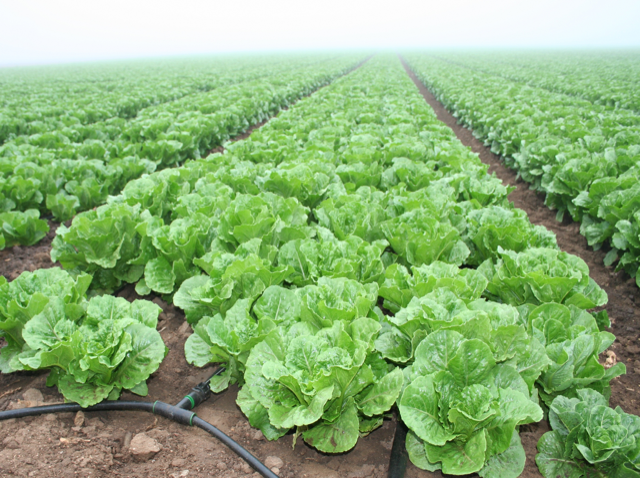
Just as in the previous season, this year seems to be a good year for lettuce producers. “There is a very good flow for all species: lettuce, batavia, oak leaves but also chicory (curly/escarole),” explains Olivier Barlaguet of the cooperative group Saveurs des Clos. “Prices have been good since November. Our clients are selling lettuce at around 70 euro cents [0.78 USD] a head.”

According to Olivier, the good prices are due to a decline in production in France. “Each year, producers plant less and less lettuce. The past 10 years have been very difficult in terms of remuneration for the producers. As a result, they have abandoned the lettuce for other productions. Like everyone else, we have also reduced our production.” Olivier explains that the lower supply has improved the situation on the market since last year. “This year, the situation on the market is positive, but the campaign is not over yet.”

Other favorable factors for the good dynamics of the current market
There are two factors responsible for the market going so well. “First, the cold temperatures came early in November, which means that there is even less lettuce available. Then, the weather conditions in Spain were also complicated this year.”

Olivier explains: “At the end of October, it rained a lot in the Spanish regions where lettuce is produced, so the Spanish volumes are much lower. This created a shortage on the market for the industry, as well as on the fresh market. Since then, industrials have been looking for lettuce everywhere, even from companies that normally only supply the fresh market. The prices in the 4th range are rather up. This is quite exceptional because in previous years, it was impossible to make prices go up.”

The current prices allow for a good remuneration of the producers. Olivier insists on the fact that we must maintain these good prices if we want lettuce to still be produced in the winter in France. “If we wish to continue the indoor production of lettuce in France, we must promote it.”

Saveurs des Clos sells half of its production on the fresh market. The other half is sold to industrials in France and abroad. The company exports primarily to Germany and Denmark. All the exported volumes are sold under contract.

By Fresh Plaza

U.S.-China Trade Deal Delivers Some Produce Wins

The United States and China signed a trade agreement today that should improve access for U.S. fruit and vegetable exporters. Overall, China agreed to buy $200 billion worth of U.S. exports in the first two years of this first phase of the deal. Agriculture expects to make up $12.5 billion this year and $19.5 billion in 2021.

According to the U.S. Trade Representative’s office, China has agreed to sign and implement a phytosanitary protocol to allow imports of U.S. fresh potatoes for processing, nectarines, blueberries and California Hass avocados.

The office sent out the following message on Twitter: “The U.S. & China have reached an historic & enforceable agreement on a Phase One trade deal that will bring structural reforms to China’s economic & trade regime in the areas of IP, agriculture, financial services, & tech transfer.”

President Trump said the nearly 100-page agreement is just the opening phase of a larger deal between the two economic powers.

The areas of agriculture included in the agreement are beef, pork, soybeans, corn, flour, wheat and cotton.

In addition to the agriculture section, other areas of the agreement include manufacturing, services, energy and intellectual property rights.

The U.S. Apple Association’s BB #:145473 chairman Jeff Colombini attended the signing in the White House.

The association released the following statement:

“It was a real honor for USApple to be invited by the White House to this important ceremony,” said Colombini, a third-generation California grower and president of Lodi Farming, Inc. “Today’s agreement in which China is committing to large purchases of U.S. agriculture products is positive news. The U.S. apple industry very much wants to supply that market.”

The U.S. apple industry finally achieved full access to the Chinese market in 2015. Exports grew to 2.5 million boxes per year making China the apple industry’s sixth largest export market. But, according to USApple, continued retaliatory tariffs—now at 50 percent—imposed by China on U.S. apples, on top of already existing 10 percent tariffs, preclude growers from getting back into the China market. This is a substantial concern for the industry as China was an emerging market and one the industry viewed as having significant growth potential. USApple is optimistic that today’s signing of the U.S.-China agreement will help pave the way toward removal of the tariffs.

“We congratulate the Administration for negotiating and concluding this important agreement and look forward with expectation that China’s retaliatory tariffs on our apples will be removed,” said USApple President and CEO Jim Bair. “China doesn’t grow the new and exciting varieties we do, and we know their consumers want them, so we’re ready to roll.”

Prior to China’s retaliatory tariffs, Chinese importers were buying premium quality U.S. apples at top prices. “We were competing, and winning, with China,” continued Bair. “It was a real bright spot on the horizon. We are now hopeful that China will remove its tariffs, allowing U.S. growers to get back to doing what they do best—providing superior quality apples in a volume and range of varieties not available anywhere else.”

By Produce Blue Book

Overview Global Table Grape Market

The production in the southern hemisphere is in full swing. Prices in the wholesale market are good, as there is a smaller volume to trade. The season is coming to an end in Namibia, and South Africa has a smaller volume than last year. In addition, more of their trade goes to other export markets and less to Europe. Peru and Chile are seeing their exports grow, but again many of their grapes go to the US and Asia. The harvest in China varies per region. In some places there is a bumper harvest, while other regions have had to deal with too low temperatures.

The Netherlands: No unrest on the grape market
The situation on the grape market is striking, to say the least. “The supply is a good deal lower than last year and the prices are at a particularly good level, as reported by a Dutch player in the grape market. The last Namibian grapes are currently being sold in Europe, so the focus is switching mainly to South Africa, which is supplying significantly less. The harvest forecasts had already been adjusted downwards because the setting did not go well after a spring with unstable weather conditions. Later, a heat wave in the Orange River and rain in the growing areas on the other side of the country also caused a lot of damage. The prices are 20 to 30% higher than last year, when they remained at a low level, and there are also considerably fewer grapes on the market across the board, since Peru has shipped significantly fewer grapes. The Indian harvest has also been delayed by the heavy rain. Furthermore, due to the great impact of diseases, various growers have also decided to sell their fruit locally. Slightly more grapes are expected in the coming weeks, but the supply will still be 10% lower than last year.

Germany: South Africa and Namibia dominate the supply
South Africa is currently on the market with a wide range of varieties, including the Arra, Sugraone, Prime Seedless, Dan Ben Hannah and Black Gem. Neighboring Namibia is also present, mainly with the Flame and Prime Seedless varieties. Brazil, just like Peru, is currently playing a minor role in the German wholesale market. The European supply from Italy, Spain and Turkey has almost disappeared from the shelves.

The supply and the demand are currently keeping pace, says a trader. The prices vary greatly and are highly dependent on the origin and the wholesale market. Lastly, a lot of poor quality goods have hit the shelves, and the market situation has been negatively affected by it. At the same time, parties with excellent quality fruit are being able to sell it for very high prices.

France: 20 to 30% lower prices
The Aledo grape season is coming to an end and the French market is switching to the grapes from Latin America. The Spanish season has been difficult due to the bad weather conditions. The humidity has been a especially big problem and grapes have been marketed for low prices. The Italian season went better, with good volumes and quality. In addition, the season lasted a month longer compared to last year. However, the consumption levels have been disappointing, hence the low prices on the market. On average, these have been 20 to 30% lower compared to last year.

Italy: Less consumption due to mild winter
The Sicilian grape season came to a close a few months ago. The season was tough, but there is still room for the sale of the last grapes, like the Crimson and Apulia varieties. “We stopped with the Crimson in early November,” says a Sicilian trader. “The last Apulia grapes were harvested at the end of November. Thanks to the fruit being kept in cold storage, the sale of the Crimson ended a few days ago, and that of the Apulia will continue until the beginning of February, although this only concerns some small quantities in mid-January. Throughout the season, the price at origin of the Crimson has oscillated between 1.00 and 1.20 Euro per kilo, despite the fact that they haven’t had the perfect coloration. The Apulia has been sold for the same price.”

In Apulia, the season finished after Christmas. “The last volumes were not appreciated on the market,” says a local grower. “They were sold for 0.70 Euro per kilo. The highest prices did not exceed 1 Euro per kilo. “On the one hand, mild and dry weather conditions caused the consumption to fall, and on the one hand, wet weather conditions caused rot in the grapes, which led to extra costs for the growers and the presence of pickers on the field until December.”

China: Cold weather hinders the harvest
The production of local grapes has already finished in China. This year, the production has been somewhat delayed by the cold weather. In general, the harvest has been good, and in some cases, there has actually been a bumper harvest. This has pushed prices down later in the season. In a few areas, the cold has been so bad that the harvest has also been affected, resulting in a lower production and an earlier end of the season. However, in most cases there has been talk of a good harvest, even if it has reached the market later. In China, new varieties, like the seedless grapes and the Shine Muscat, have done especially well.

At the moment, grapes are mainly imported from Australia, Peru, Chile and South Africa. The massive fires in Australia have not yet had a major impact on exports to China. As a result, Australian grapes are also available on the Chinese market this year.

South Africa: Earlier season start; less export to Europe
The grape season is nearing its peak as the Western Cape comes into full production. The weather conditions are good, the sizes are also good and the season started early. This ensures larger volumes than usual at this time of the year. The quality of the white grapes from the Berg River region is “much better than normal,” according to industry representatives. In the Hexrivier valley there is a nice, average harvest and the fruit looks better than last year, when there was off-season rainfall during the harvest period. This year, rainfall during the harvest reduced the volume in Limpopo. 1.5 million fewer boxes have been packed.

At the end of week 1, around 23.5 million boxes (1 box = 4.5 kg) were exported. There has been a striking drop of exports to Europe (which accounts for 50% this year, compared to 57% last year) and an increase in exports to the Far East, Southeast Asia and North America thanks to the good size of the grapes. Grape growers have been trying to pack their products as quickly as possible because of the very poor electricity supply in the country, with regular power outages.

The second harvest estimate has been adjusted slightly downwards compared to the first estimate in October. This season, the grape production is estimated at between 59.55 and 66.30 million boxes.

Chile: Lower volumes due to dry weather; plenty of exports to US
The grape season started in Chile in mid-December. The flowering period was challenging, since a large part of the acreage devoted to grapes is located in a region that was affected by dry weather. In addition, there was some frost here and there, causing volumes to fall. The most important export markets for the country are the US and Asia. Growers are increasingly switching to licensed grapes because the export market (especially the US) demands it. This week, the first Chilean grapes arrived in the US by ship. The US is now fully in the import season and the volumes that are being shipped are growing. Chile expects to increase its market share in the US.

Peru: Growing production and many new varieties
The Peruvian season started a little later than normal. In December, the first Peruvian grapes arrived in the US to compensate for the declining domestic production. Chile started the season too early last year. They learned from that, so this season they started exporting only when the supply of California’s domestic production was already low. The country’s volumes continue to grow and there are more new varieties and fewer traditional varieties. The Red Globe remains the dominant grape variety in the country. The most important export market is the US.

United States: Transition from domestic grapes to South American imports
The market in the United States is switching from domestic grapes to South American imports. At the moment, prices are high because volumes are currently on the low side. In the coming weeks, however, volumes are expected to grow and prices will fall. Most grapes come from Peru and Chile, with some small volumes also from Brazil. The supply of red, seedless varieties is expected to be lower this season. The distribution of the Red Globe is also slower this season, but this has no negative impact on the market, since the volume is also lower.

Australia: Water management is becoming a challenge for growers
It is the peak season for Australian grape growers and water management is becoming a big issue, now that the dry weather and heat are starting to take a toll. The season kicked off a little later than expected due to the very unusual temperatures. Growers in Western Victoria expect a good volume, but what the quality will be like remains uncertain. The Australian Table Grape Association (ATGA) introduced a minimum ripening stage last year. For the Crimson, Flame, Red Globe and Thompson varieties, this means that at least 80% of the fruit must have a Brix of 16 degrees, while a Brix of 15.5 degrees applies to the Menindee, Sugraone and Superior.

By Fresh Plaza

Drone Technology Detects 2 Tomato Diseases with 99% Accuracy

New technology being developed by University of Florida scientists identifies two dangerous tomato diseases with 99 percent accuracy. This finding is critical because diseases can cost growers millions of dollars annually in the state’s third most valuable crop. Thus, the earlier farmers detect those ailments, the better their chances of treating them before the diseases cause excessive damage.

Normally, growers walk through their fields and look at their crops to try to find and identify the types of diseases that have befallen their crops. Sometimes disease identification requires expertise that the farmer may lack.

To help tomato growers – and perhaps eventually other farmers – find diseases early and accurately, two UF/IFAS researchers used images from drone technology to see if they could distinguish between two perilous tomato diseases.

“Rapid and accurate identification of a plant pathogen is essential for implementing timely disease management tactics,” said Pamela Roberts, a UF/IFAS plant pathology professor.

For the new study, Roberts and Yiannis Ampatzidis, researchers at the UF/IFAS Southwest Florida Research and Education Center, flew drones over experimental tomato farms at the facility. The unmanned aerial vehicles took images of the crop and, from those pictures, the scientists were able to identify the diseases.

Through technology called a “multilayer perceptron neural network,” the scientists differentiated between bacterial spot and target spot, and did so with nearly perfect accuracy, Roberts said.

This technological advancement is critical for Florida tomato farmers, whose crop is the third most valuable in the state. In Florida, fresh market tomatoes bring in $400 million to $500 million annually, according to the National Agricultural Statistical Service, an arm of the U.S. Department of Agriculture.

Fresh market tomatoes face challenges from numerous diseases in Florida production.

If not detected early enough, these diseases might damage their crops. For example, target spot can cause up to $3.5 million a year in tomato damage, according to previous UF/IFAS research that showed a 30 percent yield loss each year on an average farm.

“If any of these diseases get bad enough, the grower might have to walk away from the field,” Roberts said. UF/IFAS researchers believe the new technology will help farmers keep their crops intact.

The new UF/IFAS study is published in the journal Precision Agriculture.

By Fresh Plaza

Church Brothers Acquires Green Giant Fresh Value-added Line

Church Brothers Farms, Salinas, Calif., has acquired Green Giant Fresh’s value-added vegetable business from Growers Express. The purchase gives Church Brothers all of Growers Express’ fresh vegetable programs, according to a Church Brothers news release. Details of the transaction are not being disclosed. It includes Grower Express’ facility and equipment in Gonzales, Calif.

A year ago, Church Brothers acquired the commodity vegetable business from Growers Express, with a licensing agreement to extend the Green Giant Fresh brand to new varieties in partnership with Growers Express.

Growers Express retains the master licensing agreement for Green Giant Fresh and has a frozen business that includes vegetable noodles and rice and cut vegetables.

The value-added line is being absorbed into the existing sublicense with Growers Express. There are more than 130 Growers Express employees who worked in the value-added division, and most are expected to join Church Brothers, according to the release.

“Taking over an existing program allows us to invest in innovation that will build our business as we expand our capabilities and resources,” Rick Russo, vice president of strategic growth and planning, said in the release. “The expansion of our existing value-add salad and vegetable program will also allow us to offer more to our foodservice customers.”

Church Brothers’ Green Giant Fresh commodity program is shipped from Gonzales, and maintaining employees there provides continuity of service and quality assurance, Russo said in the release.

Church Brothers Farms continues to grow raw product for Green Giant Fresh’s value-added vegetable business, according to the release.

“This is a mutually beneficial scenario that allows us to focus on our frozen vegetable business while we partner with Church Brothers and other vegetable growers to expand into new products and categories with our successful Green Giant Fresh licensed brand,” Growers Express President Tom Byrne said in the release. “Church Brothers Farms has been a true partner for many years, and we’ve come closer together during the past year as we integrated our commodity team into the Church Brothers family.

“I am confident this transition will be as successful and that it will allow both organizations to leverage our strengths for mutual gain,” Byrne said in the release.

Growers Express has other properties not included in the Church Brothers’ acquisition, including a cooling facility in Gonzales, a processing facility in Biddeford, Maine, and a frozen processing operation in Yuma, Ariz., according to the release.

By The Packer

US Orange Production Up 1 Percent from Forecast

A recently released crop report put together by the USDA founds that the orange production in the United States is up 1 percent from the December forecast. The United States all orange forecast for the 2019-2020 season is 5.40 million tons, up 1 percent from the previous forecast and up 1 percent from the 2018-2019 final utilization.

The Florida all orange forecast, at 74.0 million boxes (3.33 million tons), is unchanged from the previous forecast but up 3 percent from last season’s final utilization. In Florida, early, midseason, and Navel varieties are forecast at 32.0 million boxes (1.44 million tons), unchanged from the previous forecast but up 5 percent from last season’s final utilization. The Florida Valencia orange forecast, at 42.0 million boxes (1.89 million tons), is unchanged from the previous forecast but up 2 percent from last season’s final utilization.

The California all orange forecast is 49.0 million boxes (1.96 million tons), up 4 percent from the previous forecast but down 2 percent from last season’s final utilization. The California Navel orange forecast, at 40.0 million boxes (1.60 million tons), is up 5 percent from the previous forecast but down 2 percent from last season’s final utilization. The California Valencia orange forecast, at 9.00 million boxes (360,000 tons), is unchanged from both the previous forecast
and last season’s final utilization.

The Texas all orange forecast, at 2.56 million boxes (109,000 tons), is down 5 percent from the previous forecast but up 2 percent from last season’s final utilization.

To read the full report, click here

By Fresh Plaza

US Navel Oranges Sold in Vietnam

Navel oranges out of California, the United States, have been officially sold in Vietnam, starting on January 11. Speaking at the launching ceremony, Jim Phillips, President and CEO of Sunkist Growers, the world’s most recognized citrus brand said, “We are very excited to bring our fresh and juicy navel oranges to Vietnam.”

According to United States Department of Agriculture (USDA), the import of US fresh fruits, before oranges, reached US$97 million in the first 10 months of 2019. This is a 46 percent year-over-year growth, making Vietnam the ninth largest fresh fruit market worldwide for the United States.

Therefore, the entry of oranges is expected to potentially contribute to the further and steady growth of the value of US imports into the market. Concurrently, the US is also the second largest country export market for fruit into Vietnam.

Currently, consumers in Vietnam can buy the oranges from retailers, including Emart and Thu Duc Agricultural Wholesale Market. It’s also coming soon to Vinmart.

By Fresh Plaza

Japan Imports of U.S. Oranges Expected to Grow Modestly

The new U.S.-Japan trade agreement will deliver a tariff reduction and higher safeguard levels for U.S. orange shipments, and that should translate to a moderate increase in U.S. orange exports to Japan in 2020.

In a new U.S. Department of Agriculture Foreign Agricultural Service report on Japanese citrus, the agency said overall citrus acreage in Japan continues to decline, influenced by decreasing consumption and an aging rural population. The report said 77% of Japanese fruit growers are reported to be over 60 years old, with less than 1.5% less than 40 years old.

For the 2019-20 marketing year, the USDA report said Japanese mandarin production is forecast to drop to a historic low of 740,000 metric tons. Meanwhile, the report said Japan’s rising demand for lemon-like citrus will be met through increasing imports and land use transition from mandarin to lemon production.

The USDA said the U.S. is the leading citrus supplier to Japan, particularly for fresh oranges and lemons.

The report projects:

Japan’s 2019-20 fresh tangerine/mandarin imports will increase by 1.8% to 19,000 metric tons in 2019-20, of which 13,000 metric tons will be from the U.S.;
Japan’s 2019-20 marketing year orange imports will increase by 3.2% to 94,000 metric tons; U.S. fresh orange imports for 2019-20 are projected to increase by 3.8% to 52,000 metric tons. The report said U.S.-Japan Trade Agreement implementation prior or during the U.S. orange export season may further increase the U.S. orange import volume;


Fresh grapefruit imports to Japan fell by 9% to 64,329 metric tons in the 2018/19 marketing year, and the U.S. accounted for 18,516 metric tons of that total. For 2019-20, the USDA expects another year of decline in Japan’s grapefruit imports. The report said Japan’s total imports of grapefruit in 2019-20 are expected to drop by 6.8% to about 60,000 metric tons; and


In 2018-19, Japan’s imports of fresh lemons increased 11.6% to 56,839 metric tons. The U.S. is the top supplier, and shipments to Japan in the 2018-19 season increased 12.2% to 33,457 metric tons. Because of continued anticipated growth in demand, the USDA report forecast a 5% increase in Japanese lemon imports to 60,000 metric tons in 2019-20; the U.S. import share is expected to increase to 35,000 metric tons.

By The Packer

China Deal Offers No Immediate Breakthrough for U.S. Fruit Exports

The U.S. and China will sign what is being called a “phase one” trade deal by mid-January, but fruit exporters shouldn’t expect immediate removal of Chinese tariffs on U.S. fruits that have been in place since 2018.

President Donald Trump tweeted Jan. 31 that the deal with China will be “very large and comprehensive,” and said work on the second phase would begin soon after the initial deal is signed.

The Office of the U.S. Trade Representative said in mid-December that the deal requires structural reforms and other changes to China’s economic and trade regime in the areas of intellectual property, technology transfer, agriculture, financial services, and currency and foreign exchange. 

In addition, the agreement includes a commitment by China that it will make “substantial” additional purchases of U.S. goods and services. The deal, according to the USTR, also establishes a dispute resolution system that ensures prompt and effective implementation and enforcement. The U.S. has agreed to modify its Section 301 tariff actions in a significant way, according to the USTR.

With the phase one deal, media reports indicate China has agreed to buy about $40 billion annually in U.S. agricultural products for the next couple of years.

However, Jim Bair, president and CEO of the U.S. Apple Association, said that White House trade officials have told the association that the phase one trade deal makes no mention of China’s retaliatory tariffs. 

“It is our strongest hope and expectation that the deal will indirectly result in China’s removal of retaliatory tariffs against U.S. apples,” Bair said in a Jan. 2 e-mail.

In a Dec. 20 letter to the U.S. Apple Association, President Trump’s chief trade official Robert Lighthizer wrote, “Regarding the unwarranted retaliatory tariffs on U.S. specialty crops, it is up to China to decide how to remove its retaliatory duties to facilitate its purchases and imports of U.S. agricultural products resulting in a more balanced trade relationship.”

Even if the retaliatory tariffs were eliminated immediately, Washington Apple Commission President Todd Fryhover said Southern Hemisphere competition will serve to limit sales to China in April and May.

There is optimism that the phase one deal was reached, but continued questions about when China will lift the retaliatory tariffs, said Richard Owen, vice president of global membership and engagement for the Produce Marketing Association

It is uncertain how China will deliver on its promise to buy about $40 billion worth of U.S. agricultural products annually over the next couple of years, said Mark Powers, president of the Northwest Horticultural Council. “That’s a huge number, and could include huge amounts of apples, pears and cherries,” he said.

Currently, with China’s retaliatory tariffs at 50% and its standard 10% tariff, there isn’t much opportunity to sell Northwest tree fruit to China, Powers said.

“In order to get to a level that would be competitive with other origins, we have to be a zero (tariffs),” he said. U.S. Department of Agriculture trade statistics show that U.S. fresh fruit exports to China reached $231 million from November 2016 to October 2017, but that dropped to $124 million from November 2018 to October 2019. U.S. fresh cherry exports dipped from $122 million in 2017 to $76 million in 2019, while U.S. apple exports to China dropped from $20.7 million in 2017 to $13 million in 2019.

“Taking the optimistic (approach), we would love to see $300 million in sales to China over each of the next two years — that would be good — but how do we get there and how does it happen?” Powers said, adding that growers badly need a “win” with the trade negotiations with China.

“There is some room for optimism, but the details need to come to light quickly in order to see how the commercial benefit arrives.”

By The Packer

Growers Preparing for Worsening of Bushfire Conditions Over the Weekend

Growers and farmers in Southern Australia are on high alert, with fire conditions predicted to worsen this weekend.

For the third time this year a State of Emergency has been declared in New South Wales. It comes a day after Victorian Premier Daniel Andrews declared a State of Disaster for six Local Government Areas and the Alpine Resorts in the state, for the first time ever.

With a number of large and dangerous fires still burning that pose a serious threat to life, temperatures are forecast to rise above the mid-40 degree mark (Celsius) on Saturday across large parts of in-land parts of NSW, and reach low 40s in Victoria.

“Declaring this State of Emergency is vital to the safety of communities in NSW as we face the most devastating bushfire season in living memory,” NSW Premier Gladys Berejiklian said.

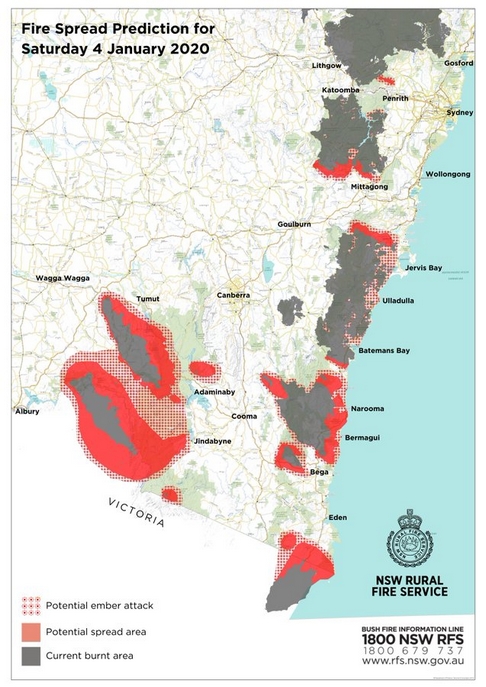
In particular, Saturday’s Extreme Fire Danger warning is for the Illawarra/Shoalhaven, Far South Coast, Monaro Alpine, Southern Ranges, Southern Slopes and Eastern Riverina areas, and the NSW government says farmers are urged to prepare properties and move equipment where possible.

Several areas have already been issued with leave notices, including Batlow, where apples and several other fresh produce items are grown. Earlier in the week, fire went close to salad and vegetable growing towns in Victoria’s East Gippsland region.

So far, it is not clear if any substantial damage has been sustained to fruit and vegetable properties specifically, however the National Farmers’ Federation says many farmers in general had already been impacted by bushfire losing homes, livestock and infrastructure.

“The current bushfire situation is unprecedented and our thoughts are with rural Australians during what will be a very dangerous period,” National Farmers’ Federation President Fiona Simson said. “The most impacted sectors include the dairy sector where large parts of the NSW south coast, and north eastern Victoria were impacted and continue to be under threat. There are also reported losses in the beef and sheep sectors in upper Murray region of Victoria, lower Riverina and Snowy Mountains areas.”

Ms Simson added that Australia has just recorded its hottest, driest year on record, and politics need to be put aside to manage through what are unprecedented conditions confronting our people and our landscape, because farmers required immediate assistance from governments of all levels.

“Already we have seen the devastation caused by the current severe drought and now we have catastrophic bushfires to deal with, so farmers and rural and regional communities simply must have all of the assistance they need,” she said. “I have been liaising with federal and state parliamentarians and working closely with the NFF’s impacted state members, the Victorian Farmers’ Federation and NSW Farmers, to determine the most pressing needs of affected farmers and how these needs can be met. I’m pleased to see the Commonwealth and states working hand in hand in this crisis to deliver much needed aid and this must continue to ensure we get through this dreadful series of events.”


Image: Fire Spread Prediction for Sat 4 January 2020 (Source: NSW RFS)

People in the fire affected areas are urged to monitor the fire and weather situation through www.rfs.nsw.gov.au in New South Wales, and www.emergency.vic.gov.au in Victoria – and call 000 (Triple Zero) in an emergency.

By Fresh Plaza

Ginger Production in Guangxi Much Lower This Season

This year’s unfavorable weather seen in various production areas has affected the overall production of Chinese ginger, which is significantly lower compared to last year, leading to rising export prices. Chai, manager of Taiyuan Food Co., Ltd. in Ju County talked about the market and export situation of ginger from Guangxi.

“The rainy weather has led to a lower yield of less than 2,000 kg/mu in the production areas in Guangxi, almost half of that of last year. The current purchase price at the place of origin is about 2.8 yuan/half a kilo. The FOB export price is 9,500 yuan/ton, which is an increase of 15% compared with that of 8,100 yuan/ton during the same period last year. Due to the rocketing high prices of Chinese ginger this year, many customers in Europe and the United States have switched to products from South America, which has had a certain impact on Chinese ginger export. “

“Since last autumn, China’s production has continued to decrease. Taking the European market as an example, over past years, April to June was the off-season for this market, but this year, it has extended to April to September,” Chai said. “Our overseas markets mainly include Europe, North America, and Dubai. Among them, Canada, being our largest overseas market, absorbs about 150 containers per year.”

“As we all know, Shandong is a big province for ginger cultivation in China, but in fact, Guangxi is also an important ginger growing region. As ginger cultivation in Shandong has become saturated, more and more growers are turning to Guangxi. The acreages dedicated to growing ginger in this province have been increasing at a rate of 30% every year, and these cultivation centers are all developed from bare fields. We have been growing ginger in Guangxi since 2013. Currently, we have about 1,300 mu of regular ginger and about 800 mu of organic ginger there. “

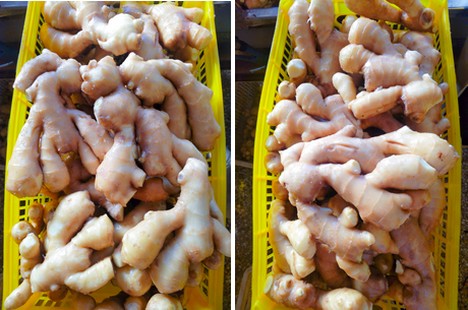
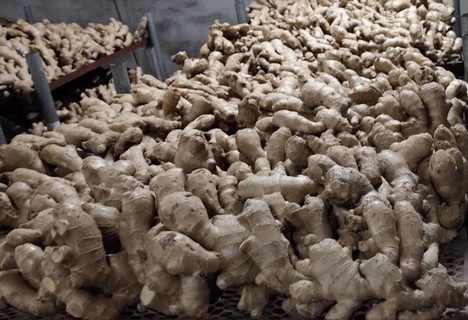
When comparing ginger grown in Shandong with those grown in Guangxi, Chai said, “Ginger from Shandong is full in size, weighing up to 1.5-2 kilograms, and has a bright color and plenty of juice, suitable for juicing. Ginger from Guangxi is smaller in size, lower in moisture, has more fiber and is spicier, suitable for making dried ginger products. Ginger from Guangxi has only gradually become known in the market within the past two years. Guangxi ginger is not as big and smooth as those from the north, and its color is not very appealing, somewhat gray. Compared to 7,500 kilos in Shandong, the production in Guangxi is only about 4,000 kg at the highest point. However, as Guangxi is not fully developed, the quality of the soil is good, and the products are usually grown on hills, therefore are more natural and have less chemical residues. 80 % of the organic ginger in China is grown in Guangxi Province. “

By Fresh Plaza

Produce Groups Call for Action on Farm Labor Reform

Another mandated increase in H-2A guest farmworker wage rates has made Congressional action on farm labor reform even more critical, according to the Agriculture Workforce Coalition.

The coalition, a group of organizations that include Western Growers, the United Fresh Produce AssociationU.S. Apple Association and several other produce grower groups, is urging the U.S. Senate to take up legislation to solve the agricultural labor crisis in a letter to lawmakers.

The Adverse Effect Wage Rate (AEWR) is the required rate for farmers who use the H-2A program, and the Department of Labor on Jan. 2 mandated an increase that will average 6% across the nation, according to a news release. Some regions will be required to increase wages close to 10%. The increase follows a 2019 wage rate increase for the H-2A program that averaged 6.2%.

The coalition told the Senate that the increase will make it difficult for some farms to continue operating, following a year of natural disasters, trade disruptions, low commodity prices and declining farm income, according to a news release.

The coalition urged the Senate to consider the effects of the increase on U.S. farmers, and asked for an alternative that would ensure a level playing field for farmers and ranchers, making them more competitive with foreign producers.

“The AEWR implemented today will immediately increase farmers’ labor costs by an average of 6% while revenues for agricultural goods continue to diminish due to an influx of cheaply produced imports flooding American markets,” according to the release.

Over the past five years, according to the release, the AEWR has increased nationwide by 17% on average while revenues for fruits and nuts have increased only 3% and vegetables and melons have seen no revenue increases.

“While American farmers are required to pay their H-2A employees more and more each year, the U.S. continues to import more and more produce from Mexico and Central and South America, where workers are paid a fraction of U.S. wage rates,” according to the Agricultural Workforce Coalition release.

The coalition asked the Senate for a legislative solution “that ensures the competitiveness of America’s farmers and ranchers, stabilizes the current U.S. agricultural workforce and provides guest worker program access to year-round agriculture sectors,” according to the release.

The letter did not reference specific legislation. The U.S. House of Representatives passed the Farm Workforce Modernization Act Dec. 11, but grower groups have said they want to improve some aspects of that legislation when the Senate debates the bill.

By The Packer

Commercial Beekeeping Turns to Agriculture as Major Revenue Stream

The beekeeping industry, which is integral to agriculture production, is undergoing some significant developments.

Bees of course help plants reproduce thanks to their help in the pollination process. And at this time of year, many commercial beekeepers are preparing to go to California soon to help pollinate the approximately one million acres of almonds, with each acre taking about two honeybee colonies. “There’s more travel now for commercial beekeepers because of the growth in production in agriculture for fruits, nuts and vegetables,” says Jerry Hayes of Bee Culture: The Magazine of American Beekeeping. “It used to be more regional production. But now there’s more concentration in different parts of the U.S. and Canada.”

This in turn means that there’s been a shift in focus on revenue streams for commercial beekeepers. “This has become more valuable now than honey production,” says Hayes. “This is the real money for beekeepers.”

Following the season
And so, beekeepers start in late winter following the development of agriculture moving north. “After California, some will go north into Oregon and Washington for apples, berries and cherries. Others will go east to Florida and follow the spring north where they wind up in Maine for cranberry pollination. This whole gypsy commercial beekeeping thing is what keeps food on our tables.”

To keep up with the demand to pollinate North American crops, beekeepers have developed a way to split colonies in half. “They’ve learned how to do that in order to continue to provide service to growers,” says Hayes. It’s also been done to help make up for bee losses thanks to the Varroa mites, a parasitic mite that has destroyed colonies of bees.

Along with increased travel and mite infestation, other changes in the beekeeping industry include extreme reactions to pesticides used in agriculture. “In Northern China, they have 10,000 hectares of pears and they’ve misused pesticides so much that managed beekeepers won’t go there anymore. And they’ve killed off most of the native bee pollination,” says Hayes. Instead, people are hired to climb up trees with goose feathers attached to a stack to hand pollinate each flower.

Back in North America, other challenges include developing a new generation of beekeepers. “Beekeeping is one of the last dirty jobs because of what it entails,” says Hayes, who notes that beekeeping operations are seeing increasing consolidation thanks to aging keepers whose businesses aren’t being taken over by their next generations. “It’s tough stuff and just like agriculture, it takes years to know how to do this and how to do it well.”

By Fresh Plaza

Overview Global Avocado Market

After a period with high prices on the European market, the balance between supply and demand seems to be restored. The high prices earlier in the season were due to shortages. Now that there is more supply and the demand is a bit quieter than normal, prices are stable again. There are more origins on the market, such as Israel, Spain, Colombia, Morocco and the Dominican Republic, and also more varieties.

In the US, Mexico still dominates the market around this time of the year, while the market share of other countries, such as the Dominican Republic and Colombia, who are expanding their acreage, is growing. In China, the fruit’s popularity continues to rise, and in addition to the supply of Chilean avocados, the first batches have been imported from New Zealand.

The Netherlands: Quiet avocado sales ahead of Christmas
According to Dutch importers, avocados cannot be considered the green gold of Christmas this year. They say that, at the moment, the sale of most sizes is going quietly, partly due to the large supply. The prospect is that this will slightly change again in the New Year.

Belgium: Market on the mend
After a period of low supply and extremely high prices on the avocado market, the supply has grown again and prices have fallen somewhat. According to a Belgian trader, prices have returned to normal. Avocados have become extremely popular in Belgium in just a few years, but due to the high prices of recent months, some consumers found them too expensive. Due to the high prices for Hass avocados, greenskin prices also rose and sales increased.

Germany: Quieter market situation
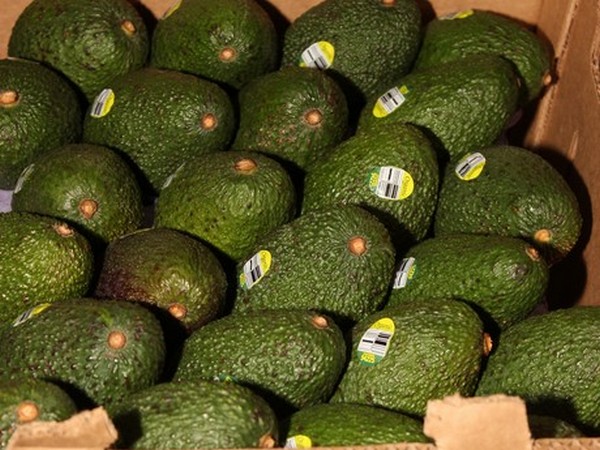
Hass avocados are still ubiquitous on the German avocado market. This variety is currently mainly imported from Chile, Mexico, South Africa and Peru. Other varieties and origins are also popping up here and there, including the Carla, from the Dominican Republic. This variety is characterized by its large dimensions (more than 1 kg per fruit) and costs 2 Euro per piece in the wholesale market.

Until a month ago, the avocado market had to contend with considerable shortages and the prices for both ready-to-eat and green avocados were up to twice as high as usual. In the meantime, however, the situation has again become quieter and prices have stabilized.

France: Market situation recovers following supply of Spanish avocados
The French market was out of balance last month, with high prices reaching up to € 25 per package. The Spanish season had only just kicked off and the first avocados on the market were not yet of good quality. However, the market is currently recovering, now that more avocados from different production countries are on the shelves. The prices have dropped to around € 10 per package. The quality of Spanish avocados has improved as the season progressed. At the moment, consumption in the country is lagging somewhat behind due to social protests.

Italy: Rising prices in the run-up to Christmas
Together with mangoes, avocados are the product that has seen the greatest growth in Italy in recent years. The demand has grown exponentially over the last two years. Buyers used to have little knowledge about avocados, but that has since changed and they are choosing the products more carefully. The Pinkerton variety is on the rise, as is the Hass Gold Selection. Most avocados currently come from Spain and Israel. The demand is growing in the run-up to the holidays, and so is the price for the product, which can amount to around € 15 per 4.5-5 kilos. Many restaurants are demanding the product in order to use it in their dishes. Avocados are also increasingly popular as an ingredient of cocktails and fruit-based dishes.

Spain: Pressure on prices due to large supply
In the last week of November, the harvest of Spanish avocados started in Malaga’s Axaquía, the most important avocado producing region. The revenue generated is comparable to last year’s. Nevertheless, a higher volume is expected due to the expansion of the acreage in the rest of Spain (Cadiz, Huelva and Valencia) and the entry into production of new plantations. The yield in the Malaga region is bigger but with the same acreage as previous year. The Spanish acreage now stands at around 15,000 hectares. For further expansion in the coming years, Spanish growers are looking to neighboring Portugal.

Spanish avocados arrived in a European market supplied with a wide range of avocados from other countries, such as Chile, Colombia, the Dominican Republic, Mexico, Israel and Morocco, and seven different varieties. The wide range and diversity is having an impact on field prices. In the beginning, the Spanish fruit was sold for around 3-3.50 € / kg, but that has now dropped and the prospect is that it will stabilize at 2 € / kg. Consumption in Spain is increasing and some supermarkets have reported a tenfold increase in their sales in 5 years. The growth in consumption is important, as it makes it possible for the large volumes of avocados to be absorbed by the market.

Morocco: Volume increases by 150%
The Moroccan acreage devoted to ​​avocados has grown by more than 150% compared to last year. The fruit’s quality is comparable to that of the Spanish production and Morocco is finding more opportunities to export the product to the European market.

Dominican Republic: Greenskin becomes Tropical avocado
In addition to Hass avocados, there is a large supply of Greenskin avocados, whose season started in October. The volume is similar to that of previous years. Even though the demand for Greenskin avocados is increasing, some want to improve its market reputation. Large distributors of the Greenskin have therefore renamed the variety as “Tropical avocado” in order to stimulate sales. Consumers are responding positively to this. The Dominican Republic wants to start exporting avocados to China soon.

Mexico: Smaller volumes in Michoacán, but the country remains the number one producer
The country maintains its position as the world’s number 1 in the production and export of avocados. Mexico grows avocados year-round, with a low season in the summer months. In Michoacán, the volumes of the winter harvest have been somewhat smaller than normal due to the rainfall. The most important export market for the state is the US, where the demand reaches its peak in February, around the time of the Superbowl. Growers in Jalisco export to other parts of the world. There are some challenges for Mexican growers to export to Europe, as they have to deal with strict requirements in terms of MRLs, certificates and sizes.

Colombia wants to expand the cultivation of avocados and increase its market share
Avocado cultivation is growing in the South American country and a lot of energy is spent on expanding the acreage and increasing the market share. New export markets are also being found. Colombian avocados used to be shipped mostly to Europe, but since recently they are also exported to Chile, Saudi Arabia and Japan.

Peru: Lower volumes due to natural cycles, acreage expanding
As with many other products, this year has been an off-year for Peruvian avocados. However, that situation is normal given the natural cycles and not alarming. Avocado cultivation has been expanding in recent years and the country’s season is getting longer. The campaign takes place in the summer months, coinciding with the low season in Mexico. This allows Peru to supply the US market with avocados. Peru also wants to expand its share in Europe, where it now has a share of around 30%.

South Africa: Currently growing for the domestic market
The South African production currently comes from the regions that start late with the harvest and is only intended for the domestic market. The price currently amounts to around 27.97 ZAR / Kg (€ 1.75) and is therefore about € 0.06 Euro lower than last week.

China: Growing popularity
Avocado is becoming more popular in the Chinese market. More and more consumers are discovering this fruit, but still more promotion is needed. Many people still have to get used to the fruit as part of their diet. Currently, the sale of avocados is not running that smoothly. The price is fluctuating, with many Chilean and Mexican avocados on the market. This year has been the first with New Zealand exporting large volumes to China. The first shipment arrived in October. The price for New Zealand avocados was immediately much higher than that of Mexican and Chilean fruit, as a better quality was expected and hence a higher price was demanded.

More and more supermarkets and fruit stores are selling ready-to-eat avocados, as they are popular among consumers. More restaurants are also using avocados in their dishes, which is a good way to further promote them in the country. In addition to the import of avocados, China is also working hard to try growing avocados itself. In a number of places, such as Guangxi and Yunnan, this is now going well and the prospect is that Chinese avocados will also hit the shelves in a few years. This will have a major impact on the Chinese avocado market as a whole, especially on imported avocados.

United States: Demand for Mexican avocados should increase 
The US market is currently well-supplied with avocados from Mexico. The sizes range between 48 and 60, with a growing percentage class 2 fruit, which now accounts for around 35% of the market.

Mexico currently dominates the North American market, although there is also a small supply of Chilean avocados. The start of the California season is expected within a month. The prospects are better than last year, when there were many problems caused by the weather. California will probably start the season early if problems arise with the supply of Mexican avocados due to the weather conditions or politics.

The demand for avocados is currently lower than normal. October and November are traditionally the months in which the demand is lower than in the rest of the year, but it starts increasing again ahead of Christmas. That is why prices are currently quite low. Transport can be a challenge during the holidays, when there are few trucks available and borders can be closed. However, stocks of avocados in the US are sufficient at the moment.

Australia: Avocado consumption is increasing
Both consumption and production are increasing in Australia. On average, 3.8 kilos of avocados are now consumed per person in the country, and the production has grown to 85,546 tons in the 2018/2019 campaign, compared to 77,032 tons in 2017/2018. By 2025, Avocado Australia expects the volume to grow to 115,000 tons. Slightly more than 3,000 tons are intended for export, with the most important markets being Singapore, Hong Kong and Malaysia.

New Zealand: 3 million boxes intended for export
The country harvested 31,424 tons of avocados in the 2018/2019 season from 3,795 hectares. Nearly 3 million boxes were exported, according to the data from New Zealand Avocado.

By Fresh Plaza

Demand Should Pick up for Mexican Avocados

Supplies of avocados in the U.S. are plentiful right now.

“There are good supplies from Mexico—there’s a lot of fruit,” says Jon Ullrich of Henry Avocado Corp. in Escondido, Ca. “The crop is a little larger than last year. More certified hectares were added. There are very good supplies of both organic and conventional avocados.”

In terms of sizing and quality, Ullrich notes that sizing is peaking on 48s and 60s and that the percentage of No. 2 graded fruit is growing. He estimates they are currently seeing approximately 35 percent of No. 2 graded fruit.

Photo: Henry Avocado

Mexico dominating
Mexico has the market largely to itself right now in North America. “There are some shipments of Chilean fruit arriving into the U.S. but most of that is programmed. There’s not much being sent for open-market sales,” says Ullrich. And California is still approximately one month out from starting to pick.

Meanwhile demand for avocados is slower as it tends to be around this time of year. “Historically October and November are really the lowest demand points. There’s more fruit available than we’re selling right now but that will change,” says Ullrich. “It’s starting to pick up and it will around the holidays. It will keep going and get better and better.” He also anticipates more aggressive promotions to come on from the retail end of the business.

All of this leaves pricing fairly low right now, albeit similar to last year at this time. “We’re probably at the bottom of the market right now. But as we move through the New Year, I see prices steadily increasing,” says Ullrich.

Photo: Shanley Farms

Tight transportation
Looking ahead, Ullrich does note that over the next two holiday weeks, transportation will become—as it usually does–a bit of an issue. “Over the holidays there’s always border closures and trucking issues. Trucks become tight around the Christmas holidays and into New Year’s,” he says. “But there’s enough fruit already in the market so it won’t be a shock to the market.”

And as far as that California crop, while there’s generally not California product available now, signs are coming that within a month, a good crop will be coming on. “I think it’s bigger than last year,” says James Shanley of Shanley Farms in Morro Bay, Ca. “That’s simply because there were weather problems in lots of isolated areas last year. There was a big heat spell which dropped a lot of avocados and shrunk the crop to the 200 million range which is quite light,” he says. Most growers report improved crops for the 2020 season, he adds.

Shanley does note though that if the Mexican avocado picture changes, California growers may go in early. “If the Mexican crop is easily supplying a robust demand and prices are relatively low and stable, I don’t think there’ll be much picking early in California,” he says. “However if there are weather or political events affecting the Mexican market, then you will see price spikes and that would be met with California growers going in to take advantage of that.”

By Fresh Plaza

Drought Results in Poor Tasting Navel Oranges in Southern Jiangxi, China

Recently, with oranges from various production areas flooding into the market, competition has become increasingly fierce. In comparison, branded products are selling more smoothly, as consumer awareness of brands is gradually deepening.

Among the myriad of brands, Shancheng Shidai, founded about three years ago, is one of those that are growing fastest. They’ve just started this year’s navel orange production season in Southern Jiangxi. Chen, general manager of Shancheng Shidai talked about the current market conditions,

“This year’s weather in Southern Jiangxi has been unusual, and we saw hardly any rain between June and October, which resulted in poor taste of navel oranges. The crops this year are high in acidity, slow to become less tart, and have a lot of pomaces. As they don’t taste as good as last year, the overall market share of navel oranges from Southern Jiangxi is shrinking, and we are also facing greater competition.”

“We have started to distribute goods to Guangzhou, Xi’an, Hangzhou, and Guiyang, and will continue to distribute goods to cities such as Zhengzhou, Qingdao, and Shanghai. We chose this sales strategy mainly due to the fact that Shanghai has more imported fruits and consumers have more choices. Therefore, in order to win better markets for our oranges, we started to market in other cities to expand our markets. Currently, orange prices in the Chinese market are still volatile. Our fruit are sold at 5-6/half a kilo in wholesale markets. “


“We pack our products with branded packaging. Without a brand, there would be no consumer awareness and standardization could not be achieved. We focus on the quality and taste of navel oranges, to ensure that our customers know that the oranges they buy are of high quality. We will start selling navel oranges for the Chinese New Year as the production season advances and we can better meet holiday demand. “

We source our products from our partners located in Southern Jiangxi, and we only take care of the marketing of our products. We work with farmers who have orchards in a few counties in Xunwu and Ruijin. Our navel oranges can be harvested and kept fresh, so at the moment, we are carrying out purchasing and storage activities at the same time. In this way, we can supply our products past the Spring Festival. “

By Fresh Plaza

Asia Fruit Logistica Moves to Singapore for 2020

Asia Fruit Logistica, Asia’s fresh fruit and vegetable trade show, is moving to Singapore for its 2020 edition from its traditional location in Hong Kong.

Asia Fruit Logistica 2020 will take place on 16-18 September at Singapore EXPO, a world-class exhibition centre near Singapore’s Changi Airport, with AsiaFruit Congress held on 15 September at the convention wing MAX Atria.

Organiser Global Produce Events (GPE) is relocating the 2020 edition as a precaution due to the continued uncertainty in Hong Kong. GPE has chosen Singapore as the location for the next edition of the show, because Singapore is a key business and trading hub in Asia, offering global connectivity, business efficiency, and access for fresh fruit and vegetables from around the world.

“On the background of ongoing instability in Hong Kong, we need to take care of the interests and concerns of exhibitors and trade visitors, who naturally expect clarity and predictability to make plans for 2020,” explained Will Wollbold, commercial director of Asia Fruit Logistica . “We’re excited to bring Asia Fruit Logistica to Singapore next year. Singapore offers a vibrant and innovative business environment, and has a proven record in facilitating quality events. Singapore is very well situated in South East Asia and creates further excellent business opportunities for our customers in the region,” said Wollbold.

“With the 16-18 September 2020 slot, we have secured dates at Singapore EXPO that are very close to our traditional dates and which we believe will be more convenient for our many exhibitors and visitors from across Asia and the rest of the world,” added Wollbold.

Following the Singapore edition in 2020, GPE will review market conditions and evaluate the response to the Asia Fruit Logistica, before making their decision on the location for future editions.


More than 12,000 high-quality trade professionals from 70+ countries around the world made the most of the opportunities to meet and do business with over 800 exhibitors from more than 40 different countries at Asia Fruit Logistica 2019, which took place on 4-6 September in Hong Kong.

By Fresh Plaza

close
Loading…